
Relocating across borders is complicated enough on its own. Do it with a toddler in tow—or a kindergartner who just made their first best friend—and the stakes feel exponentially higher.
Knowing how to move internationally with young children means more than booking a container ship and packing up the toys. It means understanding how the transition affects developing minds, staying ahead of the logistics that catch families off guard, and giving your kids the emotional runway they need to land well in a new country.
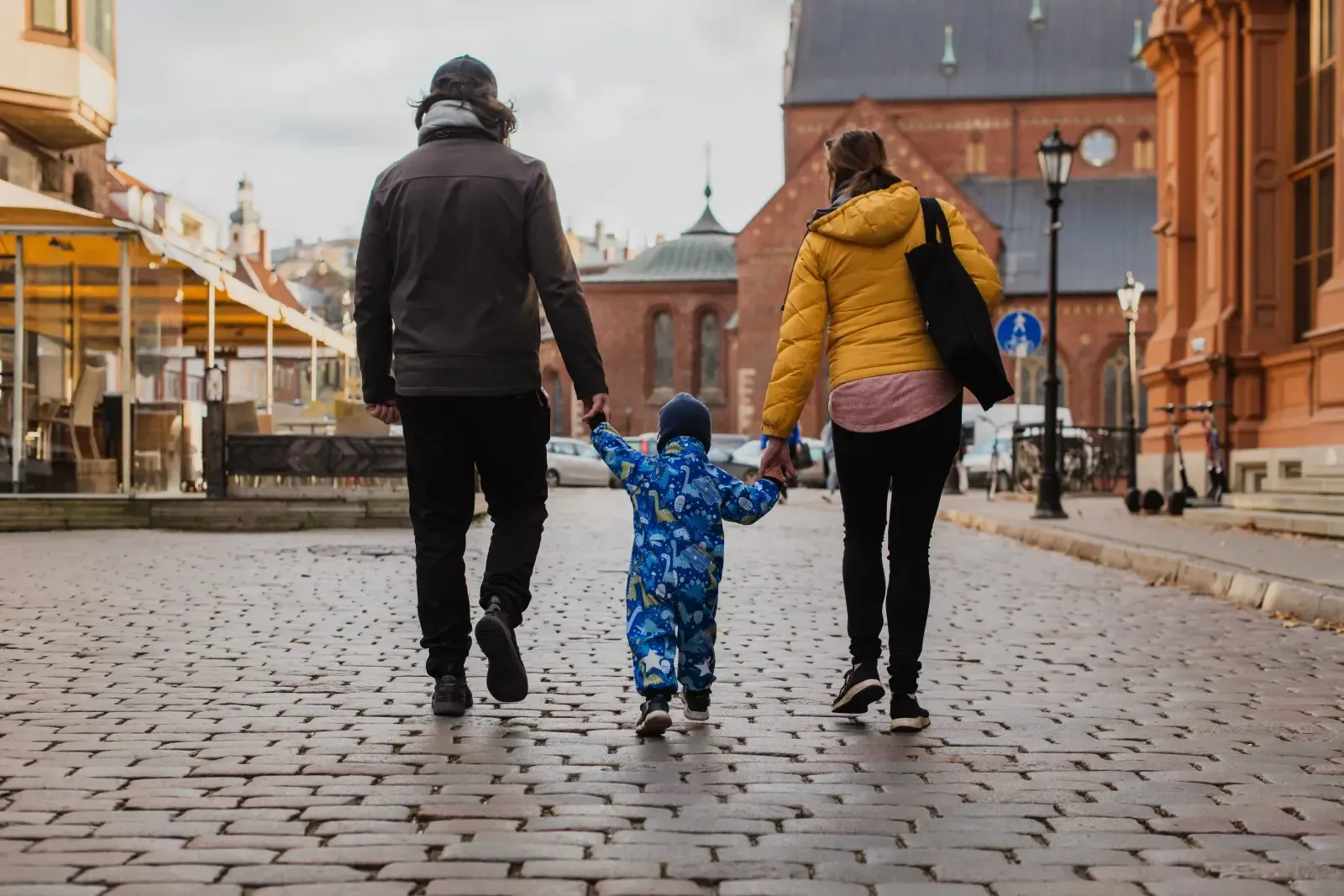
Understanding The Challenges Of Moving Internationally With Young Children
Young children thrive on routine, familiarity, and predictability. An international move disrupts all three at once. The family home changes. The neighborhood disappears. The grandparents are now a time zone or an ocean away. For children under five, who don't yet have the language to articulate what they're feeling, that disruption often surfaces as regression, clinginess, or sleep trouble.
Parents face their own version of this pressure. You're simultaneously managing visa paperwork, coordinating with shipping companies, researching schools in a new country, and trying to hold space for your children’s big feelings. The logistical and emotional demands don't wait for each other.
Common Mistakes that Parents Overlook Before Moving Internationally With Kids
Even highly organized families tend to underestimate a few things when moving internationally with kids:
- Waiting too long to involve children in the conversation. Children who feel informed and included cope better than those who are shielded from the news until the last minute.
- Underestimating paperwork timelines. School enrollment abroad, residency permits, and healthcare registration often require certified documents—some of which take weeks to obtain.
- Forgetting to account for cultural adjustment, not just geographic relocation. Language, food, social norms, and daily rhythms all shift, and young children absorb those shifts intensely.
- Packing too much of the wrong things and not enough of the right ones. Familiar comfort items (stuffed animals, a favorite blanket, a beloved picture book) matter more than you'd think during the transition.
- Not arranging temporary housing with children in mind. Stairs, busy streets, limited outdoor space, and the absence of play areas can make the first weeks harder than necessary.
How Moving Abroad Affects Children
Research consistently shows that children are more adaptable than adults give them credit for, but that adaptability has conditions. Young children who move internationally can experience genuine growth: expanded cultural awareness, language acquisition, social flexibility, and resilience. They also experience real loss: familiar places, friendships, and the comfort of knowing how the world around them works.
How an international move affects a specific child depends heavily on age, temperament, parental stress levels, and how much continuity the family can maintain. Children who move at ages two or three often adjust more fluidly than those uprooted at six or seven, when school friendships have deepened and social identity is forming. That said, every child is different. What matters most is how supported they feel throughout the process.
When Is The Best Time To Move Abroad With Young Children?
There's no universally perfect moment, but some timing is clearly better than others. The most common guidance from child development specialists is to move either before age three or between school years—ideally in summer, giving children time to settle before a new academic year begins.
Moving mid-school year disrupts routines and removes peer connections at a particularly difficult moment. For families with children approaching kindergarten age, starting fresh at the beginning of a school year in the new country often makes integration smoother.
Practically speaking, move timing is often constrained by employment start dates, lease expirations, and shipping schedules. If you don't have total control over the calendar, focus your energy on what you can control: preparation, consistency, and communication.
How To Prepare Young Children For An International Move
Preparation for young children looks different than it does for adults. Abstract concepts like "we're moving to another country" need to be made concrete.
Show them pictures of the new home, the new city, and, if possible, the new school. Read children's books about moving or about the destination country. Mark the move on a physical calendar so they can see it approaching rather than feeling ambushed. Let them participate in small decisions like what goes in their special box and what they want to hang in their new room.
Most importantly, maintain your own calm as best you can. Young children co-regulate with caregivers. If the adults in the house are visibly anxious, children absorb that energy. Acknowledge the change honestly ("This is a big move and it's okay to feel nervous") while modeling confidence in the outcome.
Education, Schools, and Daycare Planning
International or Local Schools
One of the earliest decisions families face is whether to enroll children in an international school—often English-language, curriculum-aligned with home country standards—or a local school in the destination country. International schools offer familiarity and continuity, but they can be expensive and may limit integration. Local schools accelerate language acquisition and cultural immersion, but they may feel isolating at first, particularly for children who don't yet speak the local language.
The right choice depends on how long you plan to stay, your child's age and disposition, and your family's broader goals. Families planning a multi-year relocation often find that local schools serve children better long-term, even if the first months are harder.
Daycare, Preschool, and Kindergarten Abroad
For children under school age, finding quality daycare or preschool is often the most pressing practical concern. Research waitlists early; popular programs in major immigrant cities fill quickly, sometimes months in advance. Visit in person if at all possible before committing. Ask about language policies, staff turnover, and how they support children transitioning into a new environment.
Academic Records to Prepare Before Departure
Before you leave, gather certified copies of report cards, immunization records, birth certificates, and any developmental or educational assessments. Some countries require official translations of academic records. Confirm requirements with your destination country's school system or consulate well ahead of your move date.
Language Barriers And Early Language Learning
Young children acquire language at a remarkable rate, particularly before age six. This is both reassuring and worth planning around. Immersion is effective, but it can also be disorienting in the short term, especially for toddlers who are still developing their first language.
If your destination country speaks a different language, consider introducing it gently before the move. Language apps, picture books, or even a few sessions with a children's language tutor can reduce the initial shock. Don't expect fluency quickly, and don't let frustration (yours or theirs) become the narrative. Most young children are conversational in a new language within six to twelve months of full immersion.
Housing And Daily Life Considerations For Families With Young Children
When evaluating housing abroad, think beyond square footage. Proximity to the school or daycare you've selected matters. So does access to parks, pediatric healthcare, and grocery stores stocked with familiar staples. Neighborhoods with other immigrant families can ease the social transition for parents and children alike.
Build in some predictability to your early daily life. Keep mealtimes and bedtimes consistent with what your children knew at home, even as everything else is new. Familiar rhythms signal safety to young children—and to exhausted parents.
Packing Tips When Moving Internationally With Young Children
Shipping internationally involves strict weight and volume constraints, so prioritize ruthlessly. For children's items specifically:
- Pack comfort objects and familiar sleep items in your carry-on, not in the shipping container. You'll want them the first night.
- Bring a small supply of your child's current medications, vitamins, and any specialty foods they rely on. Sourcing exact equivalents abroad takes time.
- Hold off on shipping large quantities of clothing. Children grow fast, and sizing standards vary by country.
- Label everything clearly. Customs clearance is smoother with detailed, accurate manifests.
- Let your child pack a small backpack of their own choosing. It gives them agency and something of their own during transit.
How International Movers Can Help Families With Young Children
Coordinating an international move is not a DIY project for most families, and doing it while managing young children makes it even more demanding. Experienced international movers handle the logistics that would otherwise consume your mental bandwidth: customs documentation, containerized shipping, coordinating pickup and delivery timelines, and managing the chain of custody for your household goods across borders.
Stewart Moving & Storage has been helping families navigate complex relocations for more than 25 years. Our team understands that an international move with children isn't just a logistics exercise—it's a life transition that requires care, precision, and a team that shows up when they say they will. With 125+ trucks, 12+ warehouse locations, and deep experience in both domestic and international relocation, Stewart brings the infrastructure and the personal attention that families need when the stakes are high.
Final Tips For A Smooth International Move With Young Children
Slow Down
The instinct is to get everything settled as fast as possible. Resist it. Give your children (and yourself) permission to adjust gradually. Explore the new neighborhood without an agenda. Let the first weeks be about orientation, not optimization.
Prioritize Your Child's Feelings
Ask open-ended questions. Listen without rushing to reassure. Young children need to feel that their sadness, confusion, or anger about the move is heard before they're ready to feel excited about the possibilities.
Seek Professional Support
If your child is struggling significantly—persistent sleep problems, behavioral regression, withdrawal from play—don't wait it out alone. Many immigrant cities have English-speaking child therapists and family counselors with specific experience supporting internationally relocated families.
Need Help Planning An International Move With Young Children?
Moving internationally with kids is one of the most demanding things a family can take on. The right moving partner doesn't just get your boxes to the right country; they handle the complexity so you can focus on your family.
Stewart Moving & Storage offers full-service international relocation support. Contact our team for a consultation and let us help you build a plan that works for your family, your timeline, and your destination.