
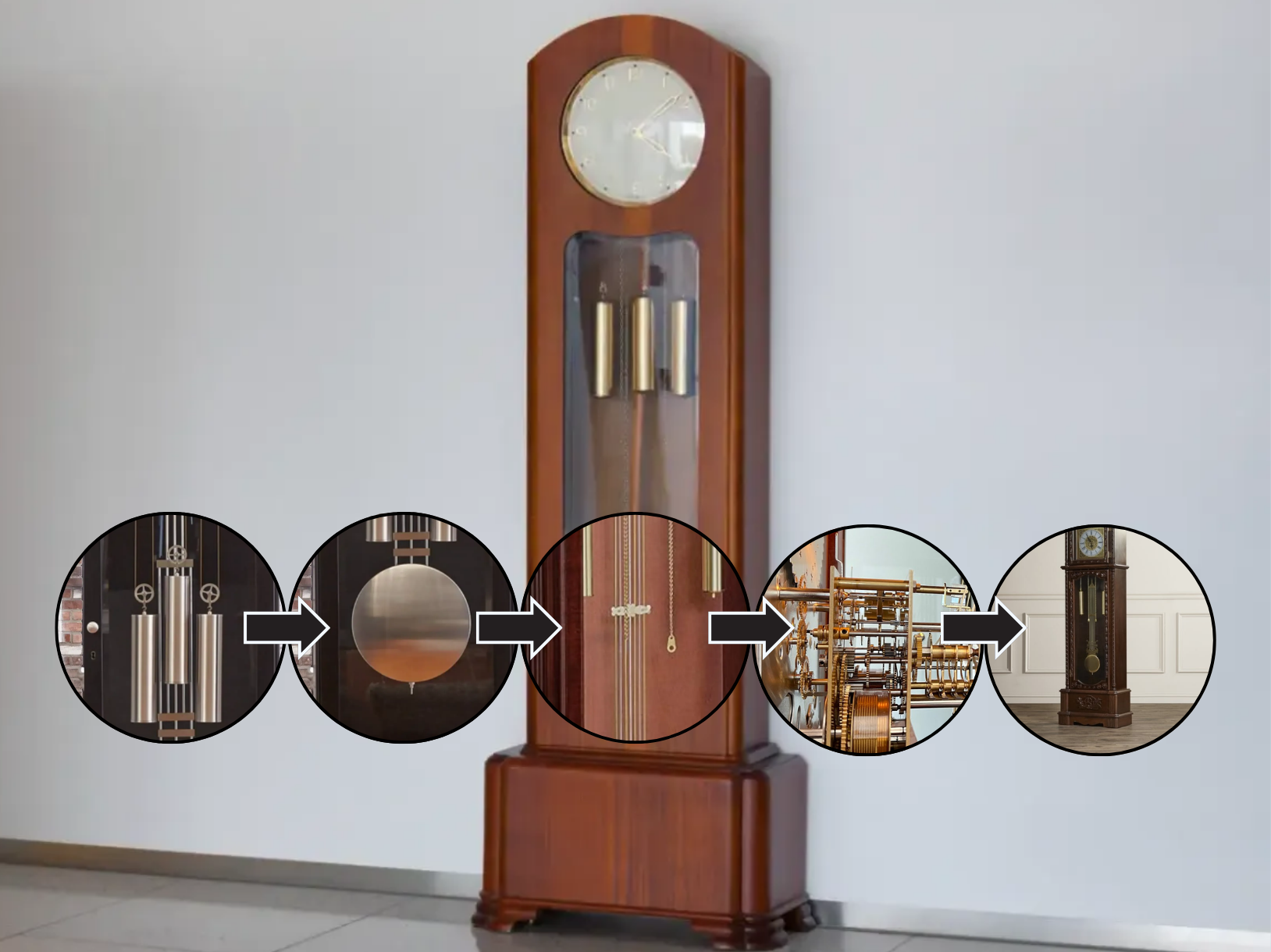
Relocating a grandfather clock can be intimidating. These clocks are large, and often, they’re emotionally and financially valuable. Their complex mechanisms and fragile components require careful handling.
Stewart Moving & Storage is here to guide you on how to move a grandfather clock, ensuring it makes it to your new home without issue. Whether you’re moving across states or simply across the room, keep reading to learn how to safeguard your valuable furniture during the transition. Need help with your move? Get a free estimate from Stewart Moving today!
Learn more moving tips:
Things to Consider Before Moving a Grandfather Clock
Before beginning the task of moving a grandfather clock, it’s crucial to consider several factors to ensure a smooth and safe transition:
- Understand the Clock’s Mechanism: Grandfather clocks are intricate devices. Familiarize yourself with the clock’s internal workings, including the pendulum and weights.
- Preparation: Gather all necessary packing materials. This includes sturdy grandfather clock-sized shipping boxes, bubble wrap, packing tape, and soft cloths to protect the clock’s delicate components.
- Disassembly: Some parts of the clock, such as the pendulum and weights, need to be removed and packed separately to prevent damage during transit.
- Professional Assistance: If the clock is particularly valuable or if you’re unsure about any part of the process, consider hiring professionals who specialize in moving delicate items like grandfather clocks.
- Reassembly and Calibration: Once the clock has been moved, it will need to be reassembled and recalibrated. This can be a delicate process and may require professional assistance.
The key to a successful move is careful planning and gentle handling. With these things in mind, you can ensure the safe relocation of your grandfather clock.
Read more:
Tools You Need To Move a Grandfather Clock
Moving a grandfather clock safely requires specific tools and materials to ensure a safe and efficient process. Here are the essential items you’ll need to gather for the move.
- Cloth Gloves: Protect your clock’s fragile components and ensure a good grip as you remove the pendulum and weights.
- Screwdriver: This will be needed to remove certain parts of the clock during disassembly.
- Bubble Wrap: Use this to wrap and protect the delicate parts of the clock, such as the pendulum and weights.
- Packing Tape: Secure the bubble wrap and other packing materials with this tape.
- Sturdy Boxes: These will hold the disassembled parts during the move. Make sure your grandfather clock moving boxes are strong enough to carry the weight.
- Soft Cloths: These help to clean and dust off the clock before and after the move.
- Markers: Markers can be used to label the boxes containing the clock’s components. This will make reassembly easier.
Having the right tools at your disposal can make the process of moving a grandfather clock much smoother and safer. It’s always better to be over-prepared when handling such delicate and valuable items. If you’re struggling to gather the necessary materials, it’s always wise to consider hiring a grandfather clock
moving company. At Stewart Moving & Storage, we work with you to craft a moving plan that meets your needs.
Read more:

How to Prepare a Grandfather Clock for Moving
The steps between "I need to move this clock" and actually lifting it out the door are where most damage happens. A grandfather clock that arrives in perfect condition is almost always one that was prepared correctly, not just moved carefully. Before you remove a single component, take time to do this right.
Photograph the Clock Before You Start
Take detailed photos of every angle of the clock, including close-ups of the face, the pendulum hook, the weight positions, and any decorative elements. These photos are your reference map for reassembly and serve as a record of the clock's condition before the move.
Gather Your Materials First
Do not start disassembling until everything you need is within reach. Running to find tape or additional padding mid-process increases the chance of a misstep. Have on hand:
- Cotton or cloth gloves (to protect both the clock and your hands)
- Bubble wrap in multiple sheet sizes
- Packing tape and painter's tape
- Resealable plastic bags and a marker for labeling small parts
- Moving blankets or furniture pads
- Sturdy, appropriately sized boxes for the pendulum, weights, and glass panels
Stabilize the Clock Before Disassembly
Stop the pendulum and allow the clock to come to a complete rest before opening the case. This matters more than it might seem: a swinging pendulum puts the suspension spring under tension, and removing it while in motion risks bending or snapping that spring.
Secure Loose Interior Elements
Before removing any major components, check for anything inside the case that could shift or fall. Small decorative elements, loose shelving brackets, or unsecured cables can cause damage to the movement if they move around unexpectedly. Tape cables loosely against the case interior using painter's tape.
Pack Each Component Individually and Label Everything
Remove the weights first, wrapping each one separately in bubble wrap and labeling them left, center, and right so they go back in the correct order. Next, remove the pendulum and wrap it flat in several layers of bubble wrap. Glass panels, if removable, should each be wrapped in bubble wrap and sandwiched between two pieces of corrugated cardboard before boxing.
Protect the Clock Case Itself
With all internal components removed, wrap the main clock body in a moving blanket, securing it with packing tape at the base and midsection. If the case has a separate hood (the top section that houses the movement and dial), check whether it detaches. On many grandfather clocks, it does, and transporting it separately significantly reduces the risk of damage to the most delicate part of the piece.
A clock that is well-prepared for the move is far easier to transport and reassemble correctly. If any part of this process feels uncertain, particularly around the movement, suspension spring, or chime assembly, a professional with experience handling antique or heirloom timepieces is worth the call.
How to Move a Grandfather Clock in 10 Simple Steps
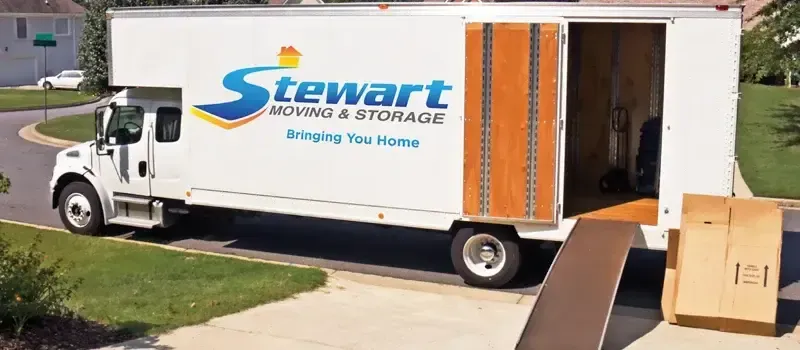
1. Reserve a Rental Truck
Ensure the truck is spacious enough to hold the clock without it being squeezed or tilted.
2. Disassemble the Grandfather Clock
Wear cloth gloves and use a screwdriver to carefully remove the components of the clock. Remember to handle each part with care to avoid damage. You can also place each part in a plastic bag and label them so everything is easy to find during reassembly.
Read more moving tips: Moving an Aquarium: How to Pack and Move a Fish Tank
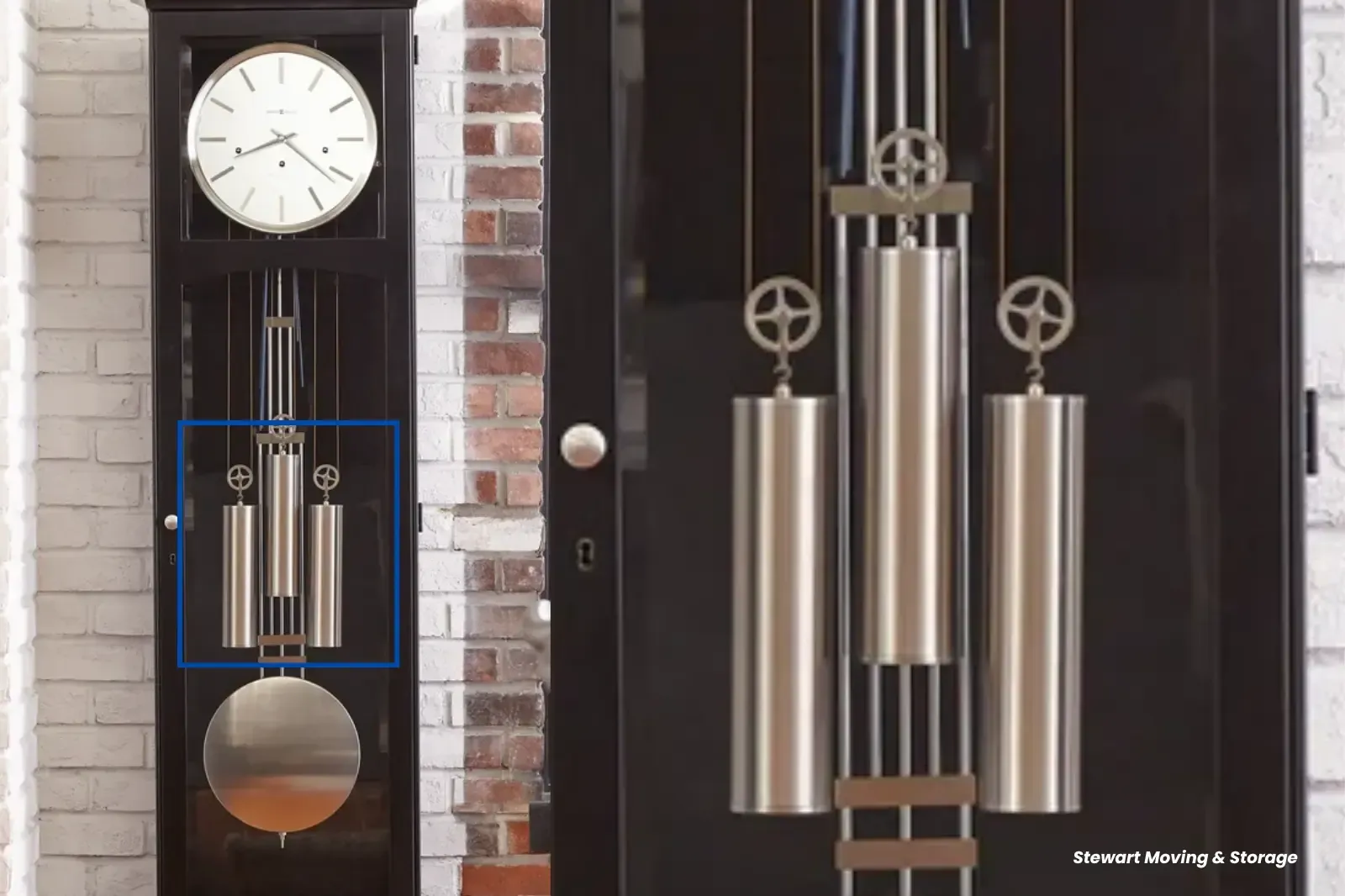
3. Remove the Weights from the Grandfather Clock
Keep those gloves on and carefully take out the weights. These are typically heavy and require careful handling to prevent damage.
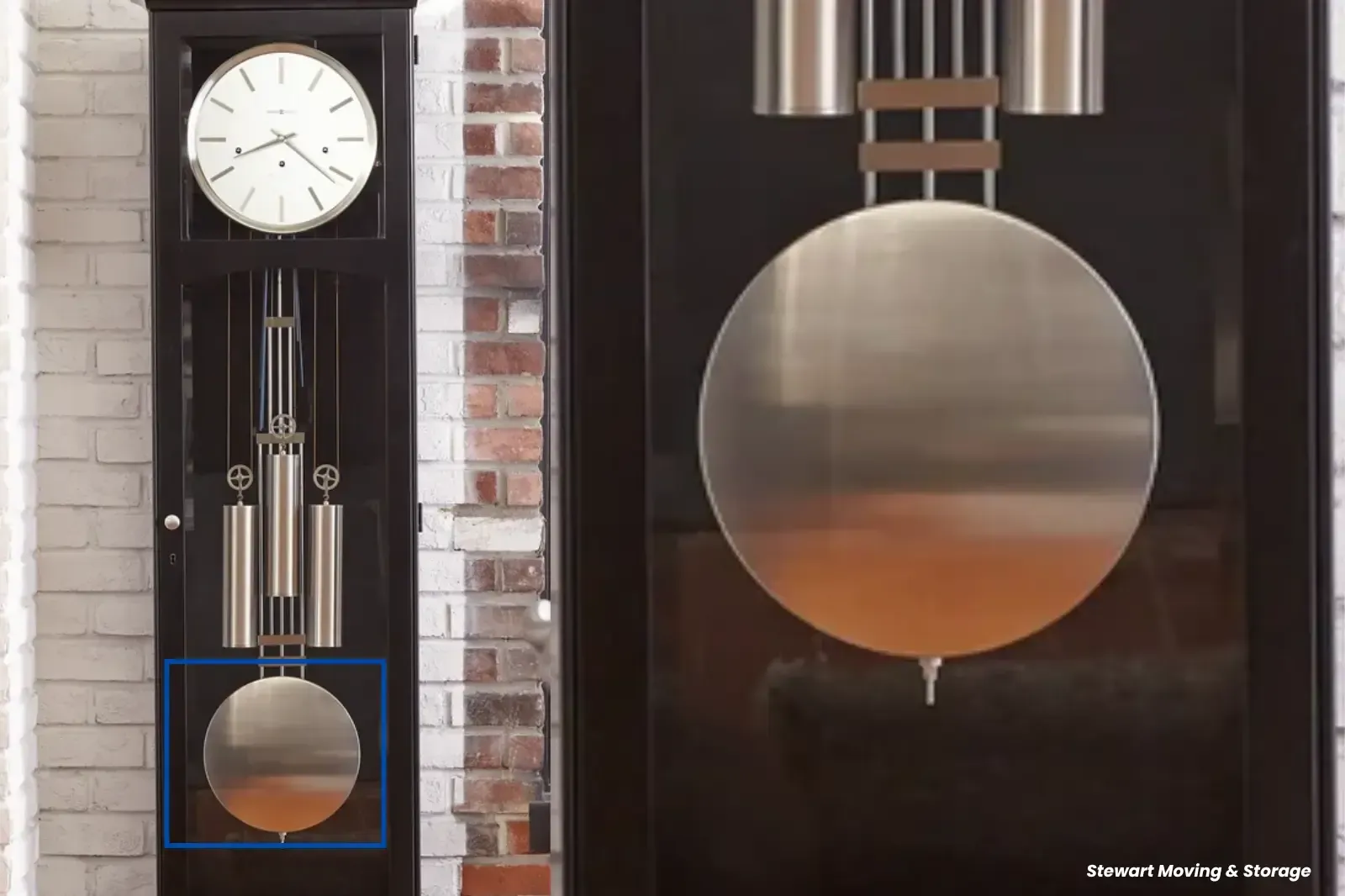
4. Remove the Pendulum
The pendulum is a delicate part of the clock and should be removed with care, using your gloves, to prevent any scratches or damage. Make sure to wrap this delicate part with bubble wrap.
5. Secure the Chains or Cables
Make sure the chains or cables are secured to prevent them from tangling or causing damage to other parts of the clock.
Read more moving tips: How to Pack a TV for Moving Safely | TV Shipping Guide
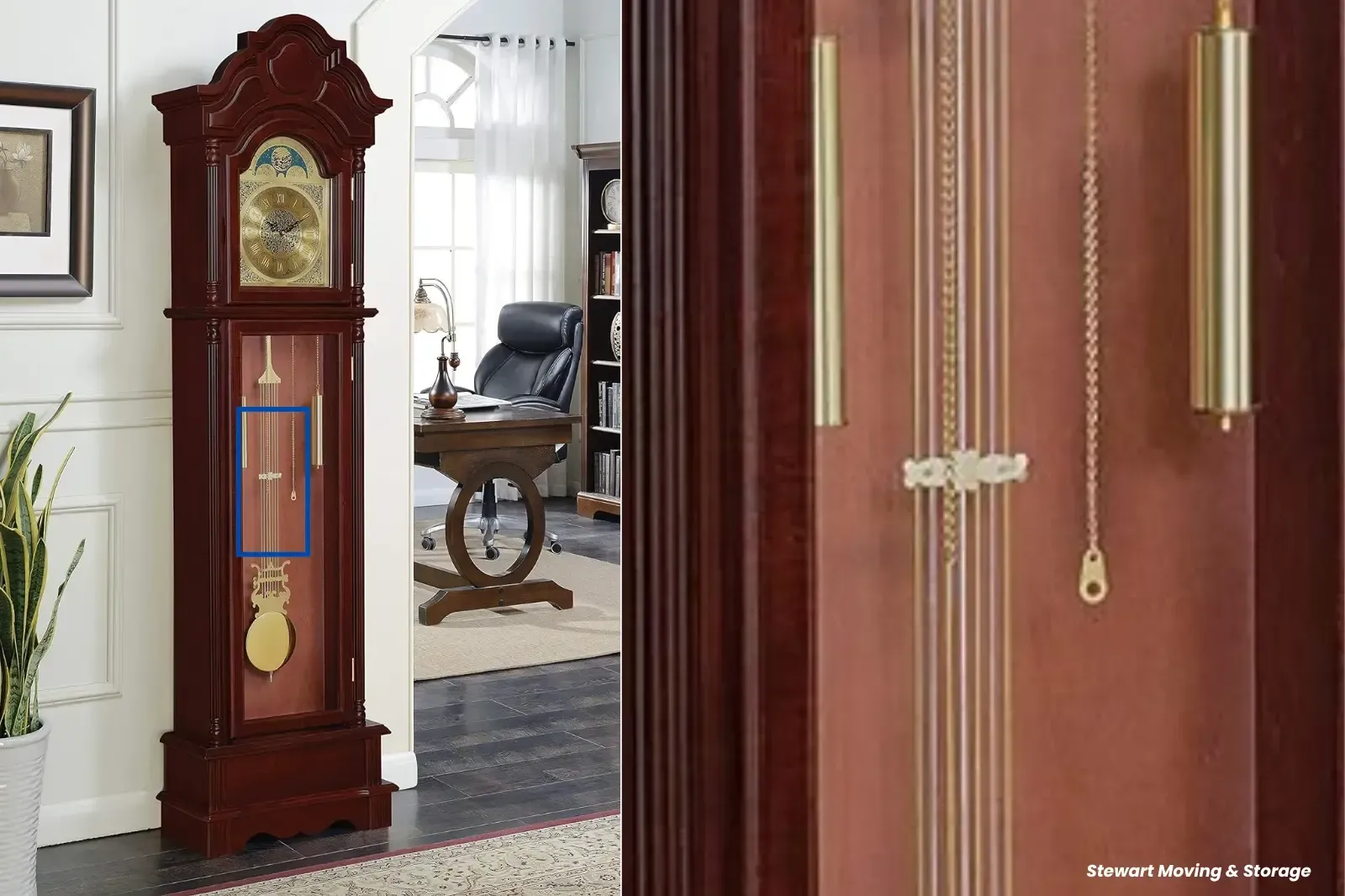
6. Protect the Chime Rods, Shelving, and Ornaments
Carefully secure the chime rods with soft packing material or tape to prevent them from vibrating or bending. Remove any loose shelving or ornaments and wrap them individually in bubble wrap or moving blankets. Label these items clearly and pack them in a separate, well-cushioned box.
7. Remove and Protect Glass Panels
If your clock has glass panels, remove them if possible and wrap them separately in bubble wrap and cardboard for protection.
Learn more:
How to Pack Kitchen Items for Moving | Expert Guide

8. Wrap in a Moving Blanket to Avoid Damage
Once all parts are disassembled and wrapped individually, wrap the main body of the clock in a moving blanket for extra protection.
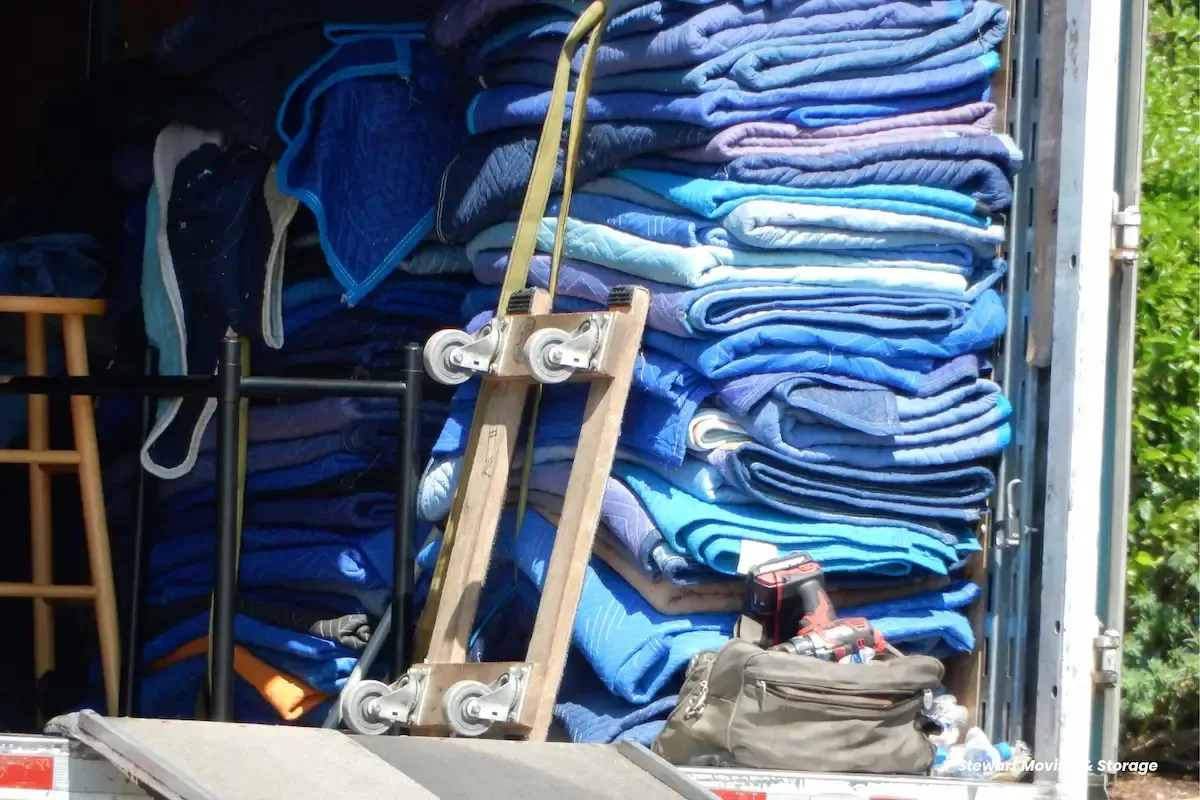
9. Ask for Help to Move It or Hire Movers for Grandfather Clocks
Due to its size and weight, it’s advisable to have assistance when moving the clock. When loading the grandfather clock onto the pickup truck, ensure you have at least one or two helpers to lift and secure it properly. Carefully lift the clock and place it upright in the truck bed, securing it with straps or ropes to prevent it from moving during transport. If possible, consider hiring professional movers, like the experts at Stewart Moving & Storage who specialize in moving delicate items like grandfather clocks.
Learn more about our moving services:
10. Reassemble the Grandfather Clock
Once you have safely transported the grandfather clock to its new location, carefully reassemble it by following the disassembly steps in reverse order. Ensure all components are securely reattached and the clock is level. Finally, set the correct time and check that the clock is functioning properly.

How Much Does It Cost to Move a Grandfather Clock?
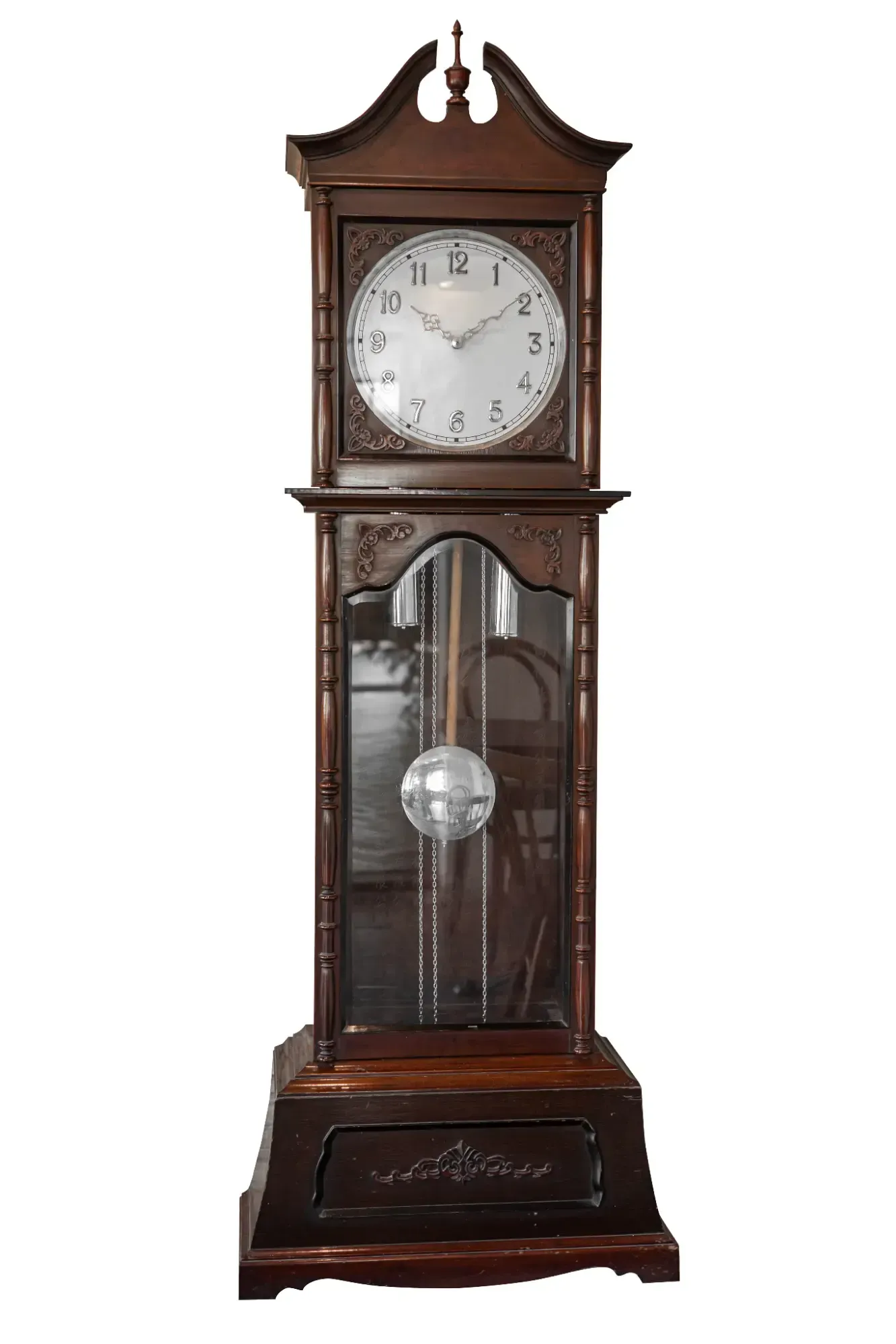
The cost of moving a grandfather clock can vary significantly based on several factors such as the clock’s size, age, and value, as well as the distance of the move. If you choose to hire a professional moving company, the cost can range between $400 and $1,300. This estimate typically includes services like packing, loading, and transportation. However, it’s important to get a specific quote from the moving company as prices can vary.
If the clock is an antique or a family heirloom, investing in a professional grandfather clock moving service can be worthwhile to ensure its safe transportation. At Stewart, we offer several ways to get a quote. Explore the rest of our website to see how we can help you move your clock, whether locally or for a long-distance move.
Read more:
Interstate Moving Costs: How Much Does It Cost and How to Lower?
How Much Does It Cost On Average To Move A House (3 Bedroom)
Average Cost of Cross-Country Movers | Cross-Country Movers Cost
Transporting a Grandfather Clock Without Damaging It: Do It Yourself or Hire Movers?
Deciding whether to move a grandfather clock yourself or hire professionals is a big decision, and it really boils down to your comfort level and the value you place on your precious timepiece. Grandfather clocks are not just pieces of furniture; they are intricate instruments and often cherished family heirlooms. Moving them requires a delicate touch, specialized knowledge, and the right equipment to prevent damage to their delicate mechanisms, glass panels, and wooden casings.
Do It Yourself (DIY): If you’re considering a DIY move, you’ll need to be meticulous. Carefully follow all the disassembly steps outlined above, ensuring every component is properly secured and protected. You’ll also need appropriate packing materials like bubble wrap, moving blankets, and sturdy boxes. The biggest challenge often comes with the actual lifting and transporting. Grandfather clocks are heavy and awkward, requiring at least two strong individuals to move them safely. You’ll also need a vehicle large enough to transport the clock upright and the means to secure it firmly to prevent any shifting during transit. While a DIY approach can save you money, it comes with a higher risk of damage if not executed perfectly.
Hiring Professional Movers: For many, the peace of mind that comes with hiring professional movers is well worth the investment. Companies like Stewart Moving & Storage have trained specialists who understand the unique requirements of moving grandfather clocks. They come equipped with specialized tools, packing materials, and vehicles designed to transport such delicate items. Stewart also offers valuation coverage, providing an extra layer of protection for your valuable possession. If your grandfather clock holds significant monetary or sentimental value, entrusting it to experts is often the wisest choice to ensure its safe arrival.
Ultimately, the choice is yours. If you’re confident in your abilities and have the necessary help and equipment, a safe DIY move is possible. However, for a truly stress-free experience and the assurance that your beloved grandfather clock will be handled with the utmost care, professional movers are an invaluable resource. We’re here to help, no matter which path you choose!
Learn more:
Need Help Moving a Grandfather Clock? Stewart Moving & Storage Can Tackle All of Your Moving Needs

Stewart Moving & Storage is a professional moving company that can handle all your moving needs, including the delicate task of transporting a grandfather clock. Our team of long-distance movers is trained to handle items of all sizes and levels of fragility, ensuring that your belongings reach their destination safely.
When it comes to moving a grandfather clock, Stewart Moving & Storage’s team will carefully disassemble, pack, and transport the clock. We can even work with you on international moves that involve shipping a grandfather clock. We understand the intricacies involved in handling such a delicate item and take every precaution to prevent damage during the move. Whether you’re moving a small apartment or a large house, Stewart Moving & Storage has the resources and expertise to make the process smooth and stress-free. Call us to get a quote today.
Learn more: