
Glassware is among the most fragile items you'll pack during a move, and it's also one of the most commonly broken. Whether you're relocating wine glasses, everyday drinking glasses, or precious family heirlooms, knowing how to pack glasses for moving properly makes all the difference between arriving with your collection intact or dealing with shattered disappointment at your new home.
At Stewart Moving & Storage, we've safely moved thousands of glassware collections over our 25+ years in business. We've learned exactly what works to keep everything from basic drinking glasses to crystal stemware protected during local and long-distance moves. Whether you're packing glasses yourself or considering professional packing services, these proven techniques will help ensure your glassware arrives in perfect condition. Let's discover our helpful glassware packing tips in this article.
Learn more:
- How To Move Heavy Furniture By Yourself: 19 Easy Ways & Tricks
- A Checklist for Virginia Residency Requirements 2026
- Top 10 Safest Cities in Virginia
- Change of Address Checklist 2026: Who to Inform When You Move to a New Address?
How Do You Pack Glasses for Moving? A Step-by-Step Guide
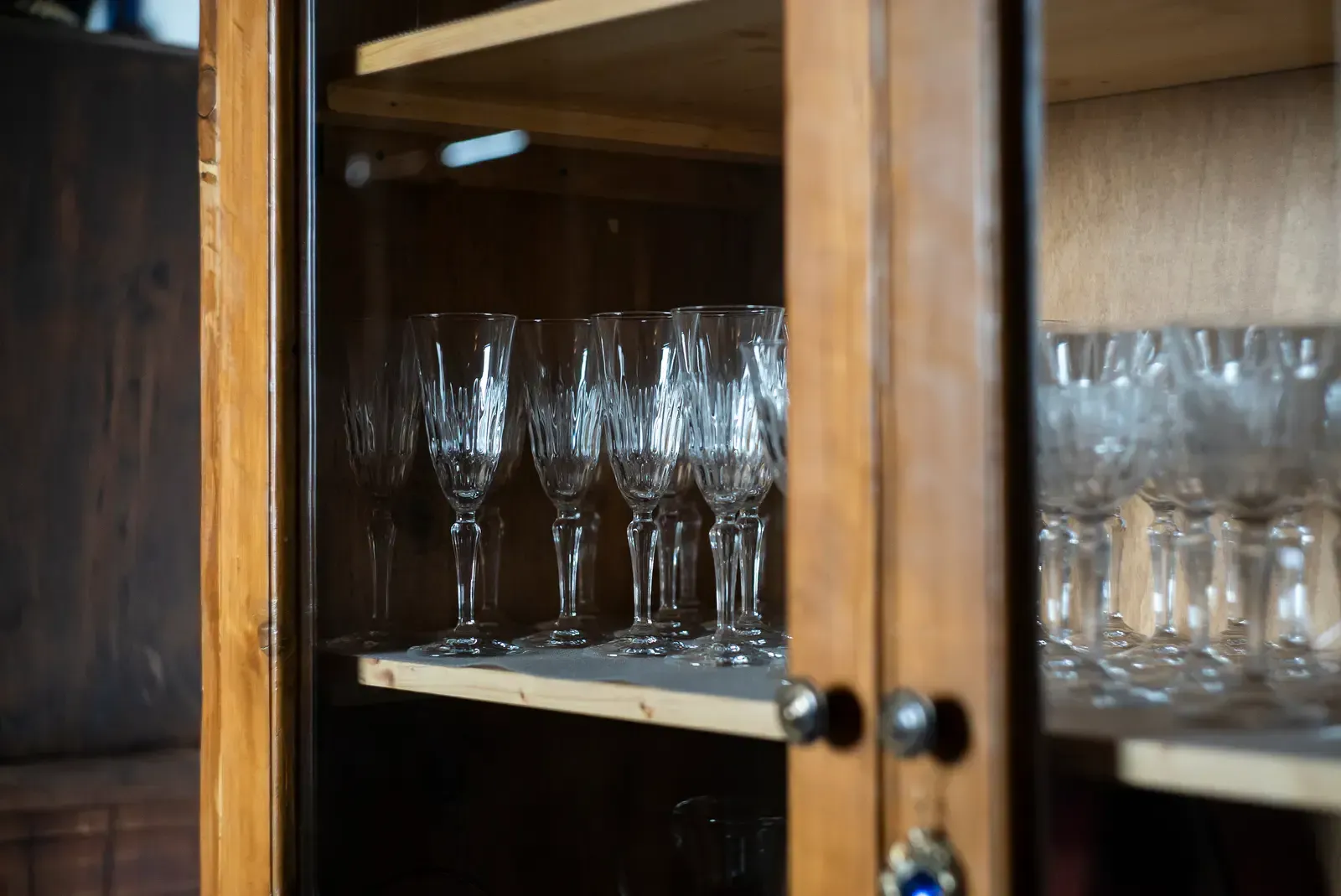
1. Prepare packing supplies
Before you start packing glasses, gather all the materials you'll need for proper protection. You'll need cell divider boxes specifically designed for glassware (also called dish pack boxes), or standard small to medium moving boxes if dividers aren't available. Stock up on packing paper or newsprint (you'll use more than you think). Bubble wrap provides extra cushioning for valuable or delicate pieces.
You'll also need strong packing tape, permanent markers for labeling, and either crumpled packing paper or foam peanuts to fill empty spaces. For very valuable glassware, consider specialty glass packing kits that include foam pouches.
Learn more: How To Pack Plates and Dishes For Moving, Tips Keep Plates Safe
2. Choose the right box for packing
The right box makes a huge difference when packing glasses for moving. Cell divider boxes are the gold standard; these specially designed boxes include cardboard dividers that create individual compartments for each glass, preventing them from touching during transport. They're particularly useful for wine glasses, champagne flutes, and other stemware.
If cell dividers aren't available, use small to medium sturdy boxes rather than large ones. Smaller boxes limit how much weight you can pack, which actually works in your favor—it prevents boxes from becoming too heavy and reduces the distance glasses could shift inside the box. Never use worn or previously damaged boxes for glassware. The structural integrity of your box is your first line of defense against breakage.
Learn more:
How to Pack Boxes for Moving: Expert Tips for a Stress-free Move
3. Wrap each glass item individually
Individual wrapping is non-negotiable when you pack glasses for moving. Start by laying out several sheets of packing paper. Place the glass in one corner of the paper at a diagonal angle. For drinking glasses and tumblers, stuff the inside cavity with crumpled packing paper first to reinforce the glass from the inside and prevent crushing.
Roll the glass diagonally across the paper, tucking the edges in as you go to create a secure wrap. Use at least three to four sheets of packing paper for standard glasses, more for larger or more delicate pieces. For stemware like wine glasses, wrap the bowl and stem separately, giving extra cushioning to the fragile stem. Secure the wrap with a small piece of tape, but don't tape directly to the glass itself (tape the paper to paper).
Bubble wrap adds another layer of protection for valuable or particularly delicate glassware. Wrap the glass in packing paper first, then add a layer of bubble wrap over it. This two-layer approach provides maximum cushioning while preventing bubble wrap texture from potentially marking delicate surfaces.
Learn more: Moving an Aquarium: How to Pack and Move a Fish Tank
4. Arrange and layer the items
How you arrange glasses inside the box is just as important as how you wrap them. Start by creating a cushioning layer on the bottom of the box using crumpled packing paper or bubble wrap, at least two to three inches deep. This bottom layer absorbs impact if the box is set down hard.
Place heavier glasses on the bottom layer and lighter, more delicate items toward the top. If using a cell divider box, place one wrapped glass in each compartment with the opening facing up or to the side—never pack glasses upside down, as the rim is the most fragile part. Without dividers, arrange wrapped glasses so they don't directly touch each other, filling gaps with crumpled paper.
Create distinct layers separated by padding. After placing your first layer of glasses, add another cushioning layer of packing paper before starting the next tier. This prevents the weight from one layer crushing down on another. Never pack glasses more than two or three layers deep, even with padding between them.
Learn more: How to Pack a TV for Moving Safely | TV Shipping Guide
5. Seal and label the box
Seal your glassware boxes with high-quality packing tape along all seams. Reinforce the bottom seam especially well, especially for heavy glassware. Use the "H" taping method on the bottom: one strip of tape along the center seam, then perpendicular strips of tape on each side, creating an H pattern for maximum strength.
Write "FRAGILE" in large letters on all sides of the box and on the top. Add "GLASSES" or "GLASSWARE" so movers know exactly what's inside. Include "THIS SIDE UP" with arrows pointing to the top of the box to ensure it's never placed upside down. Write which room the box belongs in at your new home (typically "Kitchen," though some glassware might go to a "Dining Room" or "Bar”).
Learn more: How to Pack Kitchen Items for Moving | Expert Guide
How to pack glass shelves for moving
Glass shelves require a different approach than drinking glasses. These larger, flat pieces need support along their entire surface to prevent cracking. Start by measuring your shelves to ensure you have boxes large enough to accommodate them, or plan to create custom packaging. Some large pieces of glass, like dining tables or desktops, require custom wood crates for safe transport.
Wrap each glass shelf individually in several layers of packing paper, then add bubble wrap for extra protection. For particularly valuable or large shelves, consider creating a cardboard sandwich: place a sheet of cardboard on each side of the wrapped shelf, then tape the cardboard sheets together around the edges. This creates a protective frame that distributes pressure evenly.
Pack glass shelves vertically (on edge) rather than flat whenever possible. This position is actually stronger—glass is more likely to crack under pressure when lying flat than when standing on its edge. Place shelves in boxes with plenty of cushioning on all sides, and never stack other items on top of boxes containing glass shelves. Mark these boxes "FRAGILE - GLASS SHELVES - DO NOT STACK."
Learn more: How to Pack Books for Moving Without Damaging Them
Extra tips for packing glasses
Pack your most valuable glassware in your personal vehicle if you're driving to your new home. Family heirlooms, expensive crystal, or irreplaceable pieces are worth the extra effort of transporting them yourself. This gives you complete control over how they're handled and eliminates any risk from the moving truck.
Time your glassware packing strategically. You don't need all your glasses right up until moving day. Pack decorative pieces and special occasion glassware early, keeping just a few everyday glasses accessible until the last day. This spreads out the packing workload and reduces last-minute stress.
If you're on a tight budget, ask liquor stores for free boxes. They regularly receive wine and spirits in sturdy boxes with built-in dividers, and they're often happy to give away empties. These boxes are specifically designed to protect glass bottles during shipping, making them excellent for packing glassware for moving.
Don't forget to pack a "first day box" with a few basic glasses for each family member. You'll want drinking glasses accessible immediately at your new home without having to search through multiple boxes.
Learn more: How To Pack Shoes for Moving: 8 Tips & Tricks
Skip the Packing Stress: Let Stewart Moving & Storage Pack for You
Packing glassware takes time, patience, and the right materials. If you're feeling overwhelmed by the prospect of packing your entire household—or if you just want the peace of mind that comes with professional handling—Stewart Moving & Storage is here to help.
Our trained packing crews have packed thousands of glassware collections over our 25+ years in business. We know exactly how to pack glassware for moving so it arrives safely, and we have the high-quality supplies and proven techniques to protect everything from everyday drinking glasses to priceless crystal collections. We bring all the materials, do all the wrapping and packing, and transport your items with the same care we’d give for our own.
We're a family-owned company that treats our customers like family, too. That means we understand how stressful moving can be, and we're here to lift that weight off your shoulders. Whether you need full-service packing for your entire home or just want help with the fragile items, we customize our services to fit your needs and budget.
With 12 warehouse locations across Virginia, Maryland, Delaware, North Carolina, and Florida, we have the resources to handle local moves, long-distance relocations, and everything in between. Our team includes over 200 trained professionals and 125+ trucks ready to make your move as smooth as possible. We maintain an A+ rating with the Better Business Bureau and hold AMSA ProMover certification—proof that we meet the highest standards in the moving industry.
If you're planning a move and want professional help with packing glassware or any other items, contact Stewart Moving & Storage for a free quote.
FAQs about How to Pack Glasses for Moving
What is the best way to pack glasses for moving?
The best way to pack glasses for moving combines proper materials with careful technique. Use cell divider boxes designed specifically for glassware, or choose small, sturdy boxes if dividers aren't available. Wrap each glass individually in at least three to four sheets of packing paper, stuffing the inside cavity with crumpled paper for reinforcement. Place heavier glasses on the bottom and lighter ones on top, with cushioning layers between tiers. Fill all empty spaces with packing material so nothing shifts during transport. Most importantly, never rush the process—taking your time with careful wrapping and arrangement prevents breakage far better than working quickly.
How to pack glasses for moving without paper?
If you don't have packing paper available, several household items work as effective alternatives. Clean dish towels, cloth napkins, and small hand towels provide excellent cushioning and protection. Wrap each glass individually in a towel just as you would with packing paper. Socks work surprisingly well for smaller glasses—simply slide the glass into a clean sock for a snug protective wrap. Old t-shirts or other soft clothing items also work in a pinch. These fabric alternatives actually provide good shock absorption, and you're moving these items anyway, so you're maximizing space efficiency. Just ensure whatever you use is clean and won't leave behind lint or residue on your glassware.
Is it better to wrap glasses in paper or bubble wrap?
For most everyday glassware, packing paper is the better primary choice. It's more cost-effective, conforms easily to different glass shapes, and provides adequate protection for standard drinking glasses and basic stemware. Paper also doesn't leave residue and is easier to recycle after your move. However, bubble wrap becomes essential for valuable, delicate, or irreplaceable glassware like fine crystal, antique pieces, or expensive wine glasses. The ideal approach for special glassware is a two-layer method: Wrap the glass in packing paper first to prevent direct contact, then add an outer layer of bubble wrap for maximum cushioning. This combination protects from both impact and pressure during transport.
Should you pack glasses standing up or lying down?
Pack most drinking glasses and tumblers standing upright with the opening facing up or tilted to the side. This position distributes weight most naturally and protects the rim, which is typically the most fragile part of a glass. Never pack glasses completely upside down with the rim bearing weight.
Stemware, like wine glasses, requires special consideration. Pack these with stems protected and positioned so they won't snap under pressure. Many movers recommend a slightly angled position for stemware rather than perfectly upright. The key is ensuring the stem isn't bearing the weight of anything above it. When using cell divider boxes, each glass should sit in its individual compartment without touching neighboring glasses. The position matters less than ensuring adequate cushioning on all sides and preventing any shifting during transport.
Should I tape glass when moving?
Never apply tape directly to glass surfaces because the adhesive can leave residue that's difficult to remove and may damage delicate finishes or decorative elements. However, tape plays an important role in securing your packing materials. After wrapping glasses in packing paper, use a small piece of tape to secure the paper wrap to itself. This keeps your wrap from coming loose during packing and transport.
The exception to the no-tape rule is mirrors and large flat glass pieces. For these items, many professional movers apply painter's tape or masking tape in an X pattern across the glass surface. This doesn't prevent breakage, but if the glass does break, the tape helps hold shattered pieces together, reducing mess and injury risk. Use only low-tack painter's tape that's designed for easy removal, and test a small inconspicuous area first if you're concerned about residue on valuable pieces.