Moving ranks as one of the most stressful life events, but knowing how to properly pack boxes for moving can transform chaos into confidence. When you understand the fundamentals of moving and packing boxes, you protect your belongings, save time during the move, and make unpacking at your new home infinitely easier.
At Stewart Moving & Storage, we've helped thousands of families successfully relocate over our 25+ years in the business. We've seen firsthand what works and what doesn't when packing and moving boxes. Thankfully, you don't need to be a professional mover to pack like one! With the right supplies, techniques, and a strategic approach, anyone can master the art of packing efficiently and safely. Let's discover our box packing tips in this article.
Learn more:
- How To Move Heavy Furniture By Yourself: 19 Easy Ways & Tricks
- A Checklist for Virginia Residency Requirements 2026
- Top 10 Safest Cities in Virginia
- Change of Address Checklist 2026: Who to Inform When You Move to a New Address?
How to Pack Boxes for Moving
1. Gather Packing Supplies
Before you pack a single item, assemble all the supplies you'll need for the job. Start with sturdy moving boxes in various sizes—small, medium, and large. You'll need significantly more boxes than you think, so overestimate rather than run short.
Stock up on packing tape and invest in a quality tape dispenser to make sealing boxes faster and more efficient. Packing paper or newsprint protects items without the bulk of bubble wrap for most household goods. Bubble wrap is essential for fragile items like glassware, dishes, and electronics. Permanent markers in multiple colors help you create a clear labeling system.
Don't overlook furniture pads or moving blankets for protecting larger items, and keep scissors or a box cutter handy for breaking down boxes or cutting packing materials to size. Having everything within arm's reach before you start makes the entire packing process flow smoothly and keeps you from making multiple trips to the store.
Learn more: Moving an Aquarium: How to Pack and Move a Fish Tank
2. Pick the Right Boxes
Small boxes work best for heavy items like books, canned goods, tools, and small appliances. These boxes typically hold 1.5 cubic feet and should weigh no more than 30-40 pounds when packed.
Medium boxes are your workhorses for most household items. At around 3 cubic feet, they're perfect for kitchen items, toys, small electronics, and decorative items.
Large boxes should be reserved exclusively for lightweight, bulky items like pillows, comforters, lampshades, stuffed animals, and linens. Never pack heavy items in large boxes—they become impossible to lift, and the bottoms are prone to giving out under excessive weight.
Specialty boxes exist for specific items and are worth using when appropriate. Wardrobe boxes with hanging bars keep clothing wrinkle-free, dish packs with built-in dividers protect glassware, and mirror boxes adjust to fit artwork and mirrors of various sizes. Using the right box for the job prevents damage, whether you’re moving across town or overseas.
Learn more:
- How To Pack Plates and Dishes For Moving, Tips Keep Plates Safe
- How to Pack Kitchen Items for Moving | Expert Guide
3. Prepare and Reinforce Boxes
Start by reinforcing the bottom of every box with packing tape, even if the box has a fold-in bottom flap. Create an H-pattern with tape—one strip down the center seam and one strip perpendicular across each end. This reinforcement distributes weight evenly and prevents bottom failure.
For boxes that will hold heavier items, add an extra layer of tape across the bottom seam. Once you've packed and sealed the top, use the same H-pattern taping technique to ensure the box stays securely closed throughout the move.
Check that boxes are structurally sound before packing them. Avoid using boxes that are torn, crushed, or weakened from previous use. Old boxes that have been stored in damp basements or garages lose their structural integrity and are more likely to fail when you need them most.
Learn more: How to Pack a TV for Moving Safely | TV Shipping Guide
4. Don't Clutter
One of the most common mistakes when packing and moving boxes is treating them like catch-all containers where anything and everything gets tossed in together. Cluttered, overstuffed boxes create multiple problems—they're harder to carry safely, items inside are more likely to break, and unpacking becomes a frustrating scavenger hunt through jumbled belongings.
Pack items strategically rather than randomly throwing things into boxes. When you throw a hairbrush, a book, a kitchen utensil, and a picture frame into one box because you're trying to fill space, you create confusion later. You'll waste time moving that box between rooms during unpacking, and you're more likely to misplace items.
Learn more: How to Pack Books for Moving Without Damaging Them
5. Prevent Leaks
Liquids pose one of the greatest risks when moving and packing boxes because a single leak can damage an entire box of belongings and potentially contaminate other boxes nearby. Start by checking that all liquid containers have tight-fitting lids. Open bottles or containers with loose caps should be used up before the move or disposed of properly. For bottles you're keeping, remove the cap, place a piece of plastic wrap over the opening, then screw the cap back on tightly. This creates an extra seal that prevents leaks even if the cap loosens during transport.
Place bottles inside plastic bags before packing them in boxes. Large zip-top bags work perfectly for this purpose, containing any potential leaks and protecting surrounding items. Group similar liquids together—all bathroom products in one section, cleaning supplies in another, kitchen liquids separately.
Pack liquid containers upright whenever possible, and surround them with plenty of cushioning material like packing paper or towels. These absorbent materials provide protection and can help contain minor leaks. Label boxes containing liquids clearly as "Fragile" and "This Side Up" to ensure they're handled carefully and kept in the proper position during the move.
Learn more: How to Pack Glasses for Moving Safely | Glassware Packing Hacks
6. Label Boxes Clearly
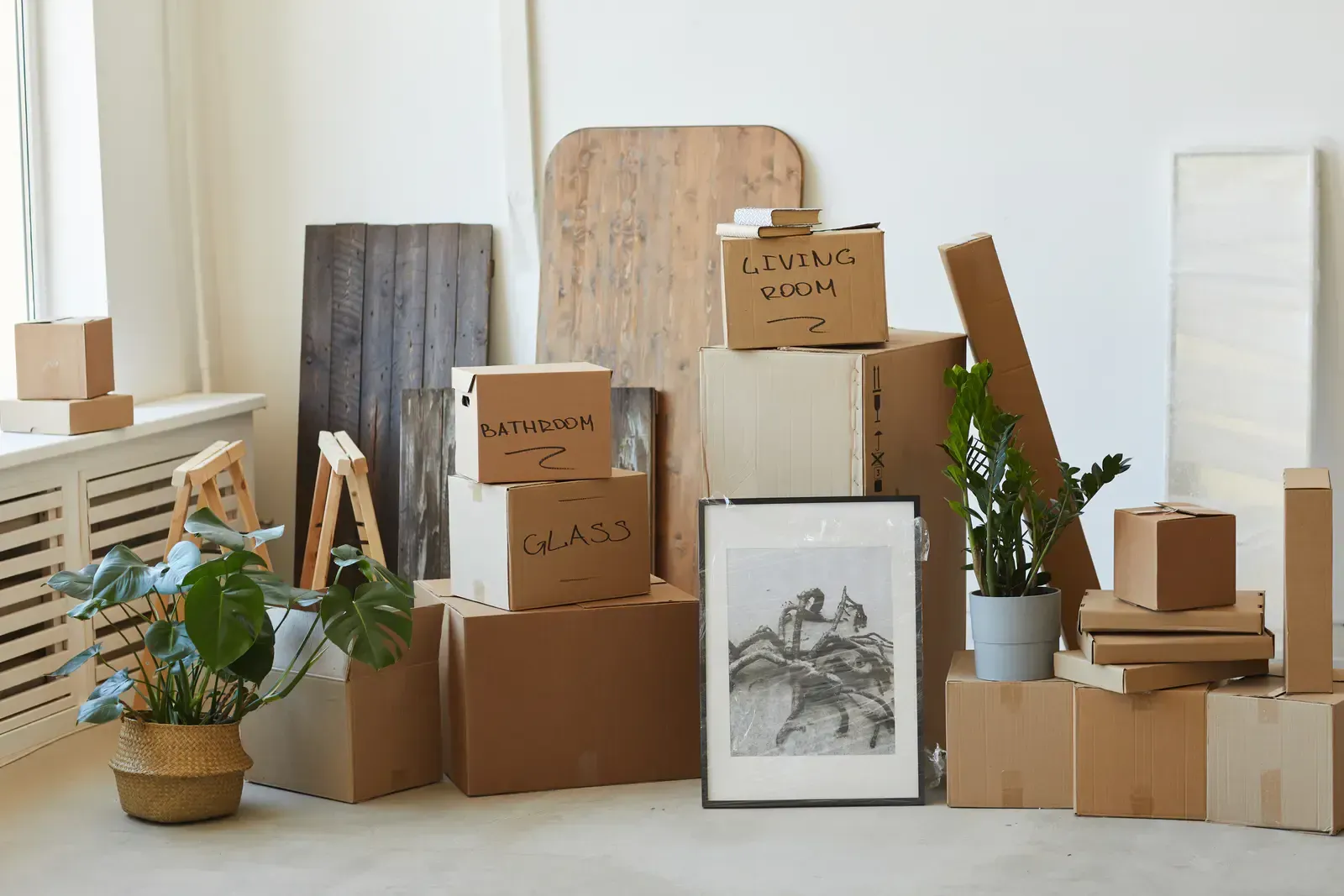
As you finish packing each box, label it on multiple sides—top and at least two sides—so you can identify contents regardless of how the box is stacked. Use permanent markers that won't smudge or fade.
Include the destination room prominently on each label: "Kitchen," "Primary Bedroom," "Kids' Bathroom," "Home Office." This allows movers or helpers to place boxes in the correct rooms immediately, saving you from having to move heavy boxes around later.
Add a brief description of the contents below the room designation. Instead of just "Kitchen," write "Kitchen - Everyday Dishes" or "Kitchen - Pantry Items." This detail helps you prioritize which boxes to unpack first and makes it easy to locate specific items without opening every box.
Mark boxes containing fragile items with "FRAGILE" in large letters on all sides. Add "THIS SIDE UP" arrows to boxes that shouldn't be turned or stacked improperly. For boxes you'll need immediately upon arrival—think bedding, toiletries, basic kitchen supplies, phone chargers—mark them "OPEN FIRST" with a brightly colored marker so they're easy to spot.
Consider numbering boxes and keeping a master inventory list. This might seem excessive, but for larger moves, it helps you keep track of everything and makes it easy to notice if any boxes go missing during the move.
Learn more:
10 Packing Tips for a Long-Distance Move from Expert
How to Pack Clothes in Moving Boxes
Clothing represents a substantial portion of what you'll move, and packing it efficiently saves significant space and keeps garments in good condition. For everyday clothing that doesn't require hanging, folding items and stacking them in medium to large boxes works perfectly well. T-shirts, jeans, sweaters, and casual wear can be packed tightly to maximize space without causing damage.
Start by sorting clothing by type and season. Pack out-of-season clothes first since you won't need them immediately. Roll clothes instead of folding them to save space and reduce wrinkles—this technique works especially well for t-shirts, casual pants, and workout clothes.
For delicate fabrics, dressier clothing, or items prone to wrinkling, wardrobe boxes with built-in hanging bars are worth the investment. These specialty boxes allow you to transfer hanging clothes directly from your closet to the box, keeping them wrinkle-free and ready to hang in your new home. Suits, dresses, dress shirts, and coats all benefit from wardrobe box protection.
Use the space at the bottom of wardrobe boxes wisely by placing shoes, purses, or folded items like jeans and t-shirts there. This maximizes the box's capacity without affecting the hanging clothes above. Just ensure items at the bottom aren't so bulky that they push up and wrinkle the hanging garments.
Vacuum-seal bags can compress bulky items like winter coats, comforters, and sweaters, saving tremendous space when packing and moving boxes. These work best for items you won't need to access during the move or immediately upon arrival. Be aware that vacuum-sealing isn't ideal for delicate fabrics or items that need to maintain their shape.
Read more about how to pack clothes for moving.
How to Pack Fragile Items with Specialty Boxes
Fragile items require extra attention and the right packing materials to survive a move intact. Specialty boxes designed specifically for dishes, glassware, mirrors, and artwork provide built-in protection that standard boxes can't match. Dish pack boxes are thicker and more durable than regular boxes, with double walls that absorb impacts better.
When packing dishes, wrap each plate individually in packing paper. Stack plates vertically on their edges rather than flat—this position distributes stress better and reduces the likelihood of breakage. Place a layer of crumpled packing paper at the bottom of the box for cushioning, then pack dishes tightly enough that they don't shift but not so tightly that pressure causes chips or cracks.
Glasses and stemware need individual wrapping and extra cushioning. Stuff the inside of each glass with crumpled packing paper for internal support, then wrap the outside with several sheets. Nest glasses carefully if space allows, but ensure adequate paper cushioning between each one. Pack glasses upright rather than on their sides.
For mirrors, artwork, and picture frames, use mirror boxes that adjust to fit different sizes, or create custom protection with cardboard corners and multiple layers of bubble wrap. Place cardboard on both sides of the glass for maximum protection. Mark these boxes "FRAGILE - GLASS" on all sides.
Electronics require specialty protection as well. If you still have original boxes with custom foam inserts, use those. Otherwise, wrap electronics in bubble wrap and pack them snugly in appropriately sized boxes with plenty of cushioning material around all sides. Take photos of cable connections before disconnecting devices so you can easily set them up again.
China, crystal, and other heirloom items deserve maximum protection. Wrap each piece individually in several layers of packing paper, then add bubble wrap. Pack these items in their own boxes separate from everyday items, use plenty of cushioning material, and mark boxes clearly as fragile. Some items may be valuable enough to warrant specialized packing services or even separate insurance coverage.
Read More:
How to Pack Children's Items
Packing children's belongings requires balancing efficiency with emotional considerations. Kids feel the stress of moving, too, and having familiar items accessible during the transition helps them adjust to their new home. Start by involving children in the packing process in age-appropriate ways—this gives them a sense of control during a time when everything feels uncertain.
Let older children pack their own rooms with supervision, making decisions about what to keep, donate, or discard. This teaches valuable skills and ensures they feel ownership over the process. For younger children, pack their rooms while they're occupied elsewhere to minimize anxiety, but let them choose a special box of "must-have" items they'll need during the move and immediately after arrival.
Create a "first night" box for each child containing essentials like pajamas, a change of clothes, toiletries, medications, and their most comforting items. This box stays with you during the move rather than going on the truck, ensuring children have their security items available the moment you arrive at your new home.
Baby items require special attention to safety and accessibility. Pack a diaper bag or box with several days' worth of diapers, wipes, bottles, formula or baby food, medications, and changes of clothes. Keep this with you at all times during the move. Cribs and changing tables should be among the first items assembled in your new home so your baby has a safe sleep space from day one.
Learn more:
- 7 Essential Cross-Country Moving Tips: Complete Guide
- Tips for Moving Out of State: An Ultimate Checklist
Let Stewart Handle the Packing and Unpacking for a Stress-free Move
Moving doesn't have to mean weeks of packing stress and sore muscles from lifting heavy boxes. At Stewart Moving & Storage, we've spent over 25 years perfecting the art of packing and moving boxes efficiently and safely. Our professional packing services take the entire burden off your shoulders, allowing you to focus on the exciting aspects of your move rather than drowning in bubble wrap and cardboard.
Whether you need full-service packing where we handle everything, or you prefer partial packing or loading assistance for your most challenging items, we customize our services to fit your needs and budget.
Contact Stewart Moving & Storage today for a free quote. Let us handle the packing, loading, transport, and unpacking while you focus on starting the next exciting chapter of your life. We'll lift the weight of moving stress off your shoulders.
FAQs About How to Pack Boxes for Moving
How to pack moving boxes efficiently?
Packing boxes efficiently comes down to organization and smart space utilization. Start by gathering all your supplies. Pack room by room rather than randomly throughout the house—this keeps similar items together and makes unpacking infinitely easier.
Use the right size box for each category of items, fill boxes completely to prevent shifting (but don't overfill), and keep the weight manageable. Heavy items go in small boxes, lightweight and bulky items in large boxes, and everything else in medium boxes. Fill empty spaces with packing paper, towels, or linens to prevent items from moving during transport. Label boxes clearly.
In what order should I start packing for a move?
Begin with rooms and items you use least frequently. Storage areas like attics, basements, and garages should be packed first since these spaces typically contain seasonal items, holiday decorations, and things you rarely need. Guest rooms, formal dining rooms, and other occasionally used spaces come next.
Pack out-of-season clothing, books, decorative items, and collections early in the process. Move on to general living areas, packing items you can live without for a few weeks—extra dishes, duplicate kitchen gadgets, books you're not currently reading, and artwork on the walls.
Save bathrooms, bedrooms, and the kitchen for last, as these contain the essentials you'll need right up until moving day. Within the kitchen, pack serving pieces and specialty items first, keeping only basic dishes and cookware until the final days. Pack a separate "essentials" box with items you'll need on moving day and your first night in the new home.
How long before moving out should you start packing?
For an average-sized home, start packing four to six weeks before your move date. This timeline allows you to pack thoroughly without feeling rushed, reduces stress, and gives you time to declutter as you go. Larger homes or families with extensive belongings should start even earlier—eight weeks or more for homes over 2,500 square feet or households with significant collections.
Is it better to fold or tape boxes?
Always tape your boxes—never rely solely on folded flaps. Folded boxes without tape are prone to opening during the move, especially when stacked or handled multiple times. The short-cut flap method, where you tuck flaps together without tape, works only for temporary storage, never for moving.
Use high-quality packing tape and create an H-pattern on both the top and bottom of every box. This means one strip of tape down the center seam and one strip perpendicular across each end. This reinforcement pattern distributes weight evenly and prevents the box from bursting open or the bottom from giving out.