
Your wardrobe represents a significant portion of what you'll transport to your new home, and knowing how to pack clothes for moving efficiently can save you time, space, and stress. Whether you're relocating across town or across the country, packing clothes properly keeps your garments wrinkle-free, organized, and easy to unpack when you arrive.
At Stewart Moving & Storage, we've helped thousands of families successfully relocate their entire households over the past 25 years. The best way to pack clothes for moving depends on your timeline, the size of your wardrobe, and your budget—but with the right approach and techniques, packing clothing for moving becomes one of the simpler tasks in your relocation checklist. Let's discover our helpful clothes packing tips in this article.
Learn more:
- How To Move Heavy Furniture By Yourself: 19 Easy Ways & Tricks
- A Checklist for Virginia Residency Requirements 2026
- Top 10 Safest Cities in Virginia
- Change of Address Checklist 2026: Who to Inform When You Move to a New Address?
A Step-by-Step Guide + Tips
1. Sort and declutter your wardrobe
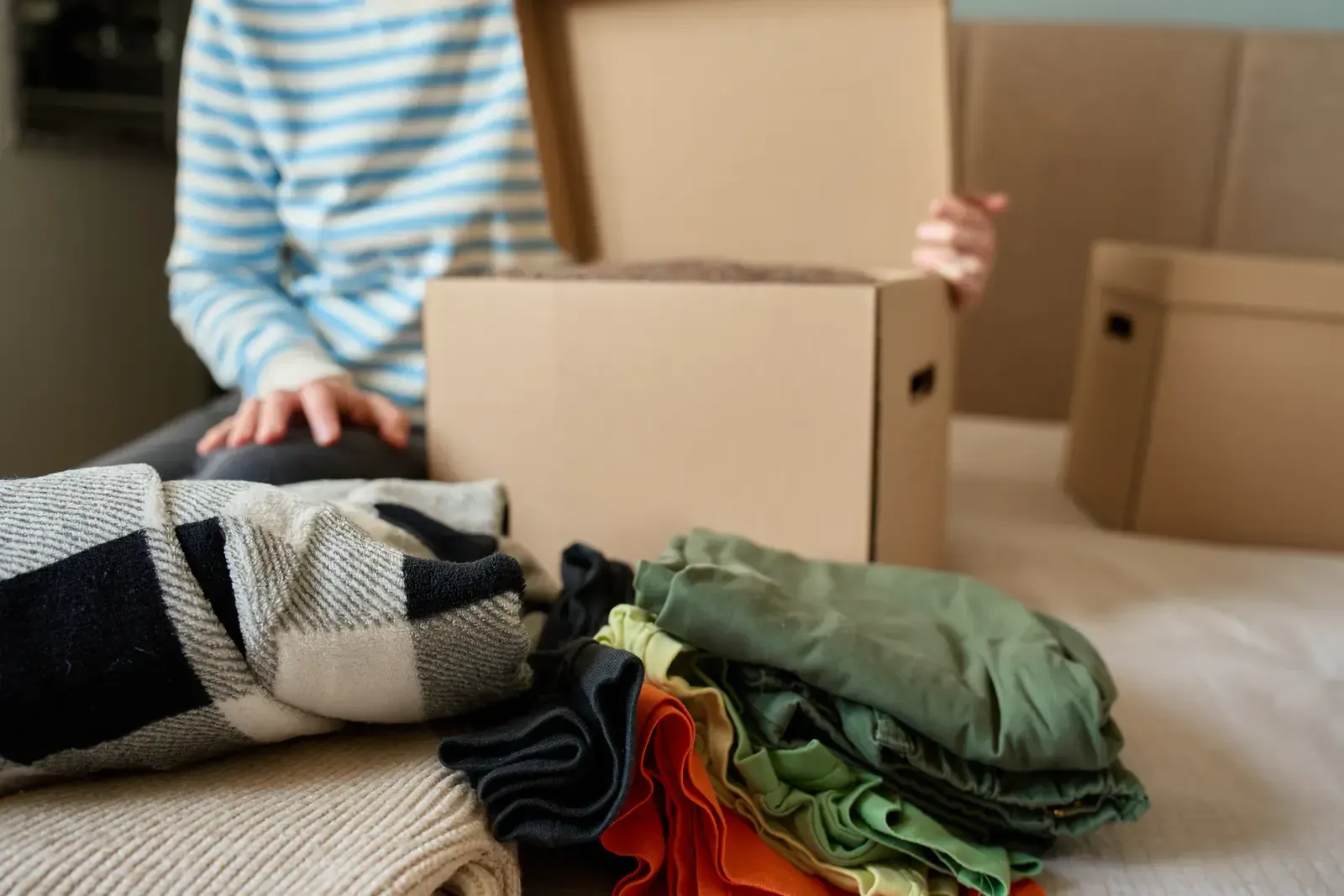
Before you start packing clothes, take time to evaluate what you actually wear and need. Pull everything out of your closets and drawers, then sort items into categories: keep, donate, sell, and discard. Be honest about clothes that no longer fit, items you haven't worn in over a year, or pieces that are damaged beyond repair.
This is the perfect opportunity to lighten your load and reduce moving costs. Donate gently used clothing to local charities. Selling valuable items online or at consignment stores can help offset moving expenses while ensuring your wardrobe reflects your current lifestyle when you unpack at your new home.
Learn more: How to Pack Boxes for Moving: Expert Tips for a Stress-free Move
2. Wash your clothes thoroughly
Always wash or dry-clean your clothes before packing them for a move. Dirt, body oils, and stains can set in during storage or transport, potentially causing permanent damage or attracting pests. Plus, you'll have clean clothes ready to wear or hang immediately when you unpack.
Make sure everything is completely dry before packing. Moisture trapped in boxes or vacuum bags can lead to mildew, musty odors, and fabric damage during transport, especially if your belongings will be in storage for any length of time.
3. Sort clothes by season
Organize your wardrobe by season to make unpacking strategic and efficient. Pack winter coats, sweaters, and cold-weather gear separately from summer dresses, shorts, and lightweight clothing. Keep current-season clothing easily accessible while packing off-season items first. Label boxes clearly by season so you can prioritize which boxes to open based on when you're moving and what weather you'll encounter at your new location.
Learn more: How to Pack Books for Moving Without Damaging Them
4. Use vacuum-sealed bags for bulky items
Vacuum-sealed bags are excellent for compressing bulky items like winter coats, comforters, sweaters, and puffy jackets. These bags can reduce volume by up to 75%, saving significant space in your moving truck or storage unit. They also protect clothing from moisture, dust, and pests during transport.
However, use vacuum bags strategically. Don't store delicate fabrics, leather, or items with structured shoulders this way, as compression can damage these materials. Reserve vacuum sealing for sturdy, bulky items that can handle compression without losing their shape or integrity.
5. Use the army roll method to save space
The army roll method—rolling clothes tightly instead of folding them—is one of the best ways to pack clothes to move efficiently. Rolling prevents wrinkles better than folding, maximizes space in boxes and suitcases, and makes it easier to see what you've packed without disturbing other items.
To army roll, lay a garment flat, fold the sleeves inward, then roll tightly from the bottom up. This technique works particularly well for t-shirts, casual pants, workout clothes, and pajamas. Stack rolled clothes vertically in boxes so you can see everything at a glance, similar to how files sit in a filing cabinet.
Learn more:
- Moving an Aquarium: How to Pack and Move a Fish Tank
- How to Pack a TV for Moving Safely | TV Shipping Guide
6. Use specialized wardrobe boxes for hanging clothes
Wardrobe boxes are tall boxes with built-in hanging bars that let you transfer hanging clothes directly from your closet without removing them from hangers. These boxes are the best way to pack clothes for moving when you want to protect dresses, suits, dress shirts, and other formal wear from wrinkles.
Simply transfer clothes on hangers directly into the wardrobe box, zip or close the top, and you're done. When you arrive at your new home, hang everything directly in your new closet. Wardrobe boxes typically hold 18-24 garments, depending on fabric thickness.
7. Pack boxes from heavy to light for easier moving
When packing clothes in standard moving boxes, always place heavier items like jeans, sweaters, and folded jackets at the bottom. Lighter items like t-shirts, undergarments, and delicate fabrics go on top. This distribution prevents crushing delicate items and makes boxes easier to carry since the weight is balanced low.
Never overfill boxes to the point where they become too heavy to lift safely. A properly packed clothing box should weigh no more than 40 pounds so that you or your movers can transport it comfortably without strain or injury.
Learn more: How to Pack Kitchen Items for Moving | Expert Guide
8. Choose the right container for packing clothes
The best way to pack clothes to move depends partly on your container choice. Standard cardboard boxes work well for most clothing and are stackable in moving trucks. Suitcases with wheels are perfect for heavy items like jeans and sweaters since they're easy to transport. Duffel bags work for soft items and can fill odd spaces in the moving truck.
Large plastic bins with lids protect clothes from moisture and dust, though they're more expensive and take up more space than collapsible cardboard boxes. For local moves, you can even use large garbage bags for items like bedding and non-delicate clothing—just tie them securely and label clearly.
9. Roll or bundle clothes before placing them in boxes
Beyond the army roll method, consider bundle wrapping for dress clothes and suits. Lay your nicest garments flat, stack them on top of each other, then wrap the entire bundle in a large piece of tissue paper or a clean sheet. This creates a protective cushion around each piece and prevents wrinkles.
Whether you roll, fold, or bundle depends on the garment type. Roll casual clothes, bundle dress clothes, and fold structured items like button-down shirts. Mixing these methods within the same box is fine—just keep like items together and fill gaps with soft items to prevent shifting.
Learn more:
10 Packing Tips for a Long-Distance Move from Expert
10. Use scented sachets or dryer sheets to keep clothes fresh
Tuck dryer sheets or scented sachets into boxes and suitcases to keep your clothes smelling fresh during the move. This simple step prevents the musty smell that can develop when clothing is packed away, especially if your move takes several days or if items go into temporary storage.
Lavender sachets, cedar blocks, or fabric softener sheets all work well. Place one at the bottom of each box and another at the top for maximum freshness. Your clothes will smell clean and ready to wear when you unpack at your new home.
11. Maintain shoe shape by stuffing them with socks or paper
Shoes need protection during a move to maintain their shape and prevent damage. Stuff each shoe with socks, underwear, or crumpled packing paper to help them keep their form during transport. This also makes efficient use of space by utilizing the hollow interior of shoes for packing smaller items.
Pack shoes in their original boxes if you still have them, or wrap them in packing paper before placing them in moving boxes. Keep pairs together with rubber bands or by placing both shoes in a small plastic bag. Pack heavier shoes like boots at the bottom of boxes and lighter shoes like sandals on top.
Read more about how to pack shoes for moving.
12. Pack jewelry separately from other items
Never pack jewelry in boxes with regular clothing—items can get lost, tangled, or damaged. Instead, use a dedicated jewelry box, a small case with compartments, or individual small bags for valuable pieces. Keep necklaces from tangling by threading them through straws or plastic wrap.
Transport valuable jewelry, watches, and heirloom pieces in your personal vehicle rather than on the moving truck. This ensures your most precious items stay secure and you can keep an eye on them throughout the move.
13. Prepare an "essentials" suitcase for the first few days
Pack a suitcase or a clearly labeled box with enough clothing to last three to five days without needing to unpack everything immediately. Include underwear, socks, comfortable clothes, sleepwear, toiletries, and one or two outfit options.
This essentials bag should be the last thing loaded onto the moving truck or transported in your personal vehicle so it's easily accessible when you arrive. Having clean clothes ready without digging through boxes makes your first few days in your new home much less stressful.
Learn more: How to Move a Grandfather Clock Safely in 10 Simple Steps
14. Keep a separate bag or basket for dirty laundry
Moving day gets hectic, and you'll inevitably have dirty laundry that needs attention. Keep a separate laundry basket or large bag designated specifically for dirty clothes during the moving process. This prevents you from accidentally packing soiled items with clean ones and makes it easy to do your first load of laundry when you're settled.
15. Make sure to include your clothing hangers
Don't forget to pack your hangers—you'll need them at your new home. Bundle plastic hangers together with rubber bands or twist ties to keep them organized. Wooden hangers can be packed flat in boxes or wrapped in bundles.
16. Use professional packing and unpacking services
If you have an extensive wardrobe, limited time, or simply want to avoid the stress of packing clothes, professional packing services handle everything for you. At Stewart Moving & Storage, our trained crews know exactly how to pack clothing for moving efficiently while protecting your garments from damage.
Learn more:
- Tips for Moving Out of State: An Ultimate Checklist
- 7 Essential Cross-Country Moving Tips: Complete Guide
Let Stewart Handle Your Move From Start to Finish
Packing clothes when moving is just one piece of the relocation puzzle. At Stewart Moving & Storage, we understand that moving ranks among life's most stressful events, which is why we're here to lift that weight off your shoulders. As a family-owned company for more than 25 years, we treat our customers like family, too.
With 12 warehouse locations across Virginia, Maryland, Delaware, North Carolina, and Florida, we have the resources to handle local moves, long-distance relocations, and everything in between. Our team includes over 200 trained professionals and 125+ trucks ready to make your move as smooth as possible.
Whether you need full-service packing, just help with the heavy lifting, or something in between, we customize our services to fit your needs and timeline. If you're planning a move and want professional help with packing clothes or any other items, contact Stewart Moving & Storage for a free quote. We offer convenient estimate options—in-home, online, or by virtual consultation—to fit your schedule. Let us handle the logistics while you focus on the exciting next chapter ahead.
FAQs about How to Pack Clothes for a Move
How to pack clothes for moving with hangers?
The best way to pack clothes on hangers is to use wardrobe boxes specifically designed for hanging garments. These tall boxes feature built-in metal bars that let you transfer clothes directly from your closet without removing hangers. Simply lift sections of hanging clothes and place them on the wardrobe box bar, maintaining their hanging position throughout the move.
For shorter local moves, you can also use large garbage bags as a makeshift solution. Gather a section of hanging clothes, pull a garbage bag up from the bottom to cover the garments while leaving hangers exposed at the top, then tie the bag at the base of the hangers. This protects clothes while keeping them on hangers for quick transfer to your new closet.
How do you pack clothes for moving without hangers?
When packing clothes without hangers, fold or roll garments depending on their type and place them in standard moving boxes, suitcases, or duffel bags. Use the army roll method for casual items to save space and prevent wrinkles. Fold button-down shirts, dress pants, and structured garments along their natural seams.
Layer heavier items like jeans and sweaters at the bottom of boxes and lighter items on top. Fill any gaps with soft items like socks, underwear, or t-shirts to prevent clothes from shifting during transport. This method works well for everyday clothing that doesn't require hanging storage.
Is it better to roll or fold your clothes for packing?
Rolling clothes is generally better for packing when moving because it saves space, prevents wrinkles in most fabrics, and makes it easier to see what you've packed. The army roll method works particularly well for t-shirts, casual pants, pajamas, and workout clothes. Rolled items stack efficiently and stay organized throughout the move.
However, some garments benefit from folding instead of rolling. Dress shirts, suits, blazers, and structured clothing maintain their shape better when carefully folded along natural seams. Very delicate fabrics and items with embellishments should be folded flat with tissue paper between layers. The best approach combines both methods based on garment type.
Is it better to pack clothes in bags or boxes when moving?
Both bags and boxes have advantages for packing clothes for moving. Cardboard boxes are best for most situations because they stack securely in moving trucks, protect contents from crushing, and can be labeled clearly for organization. They work especially well for folded clothes, shoes, and items that need structure during transport.
Bags—including suitcases, duffel bags, and even large garbage bags—work well as supplementary packing options. Use rolling suitcases for heavy items like jeans since they're easy to transport. Duffel bags can fill odd spaces in the moving truck and work well for soft items. For local moves, garbage bags provide quick protection for items like bedding and everyday clothes. The best strategy uses boxes for organization and stability, with bags filling gaps and providing convenient transport for specific items.