
For military families preparing for another Permanent Change of Station (PCS) through a Personally Procured Move (PPM), understanding what military movers will not pack is essential. Military moving contractors follow strict federal regulations, and the PCS prohibited list includes items many families don’t expect. Knowing what’s restricted helps avoid delays, reduce stress, and keep your move on track.
Let's break down everything you need to know.
Learn more:
- A Checklist for Virginia Residency Requirements 2026
- Top 10 Safest Cities in Virginia
- How To Move Heavy Furniture By Yourself: 19 Easy Ways & Tricks
- Change of Address Checklist 2026: Who to Inform When You Move to a New Address?
The Reasons for Restricted Items in a PCS Move
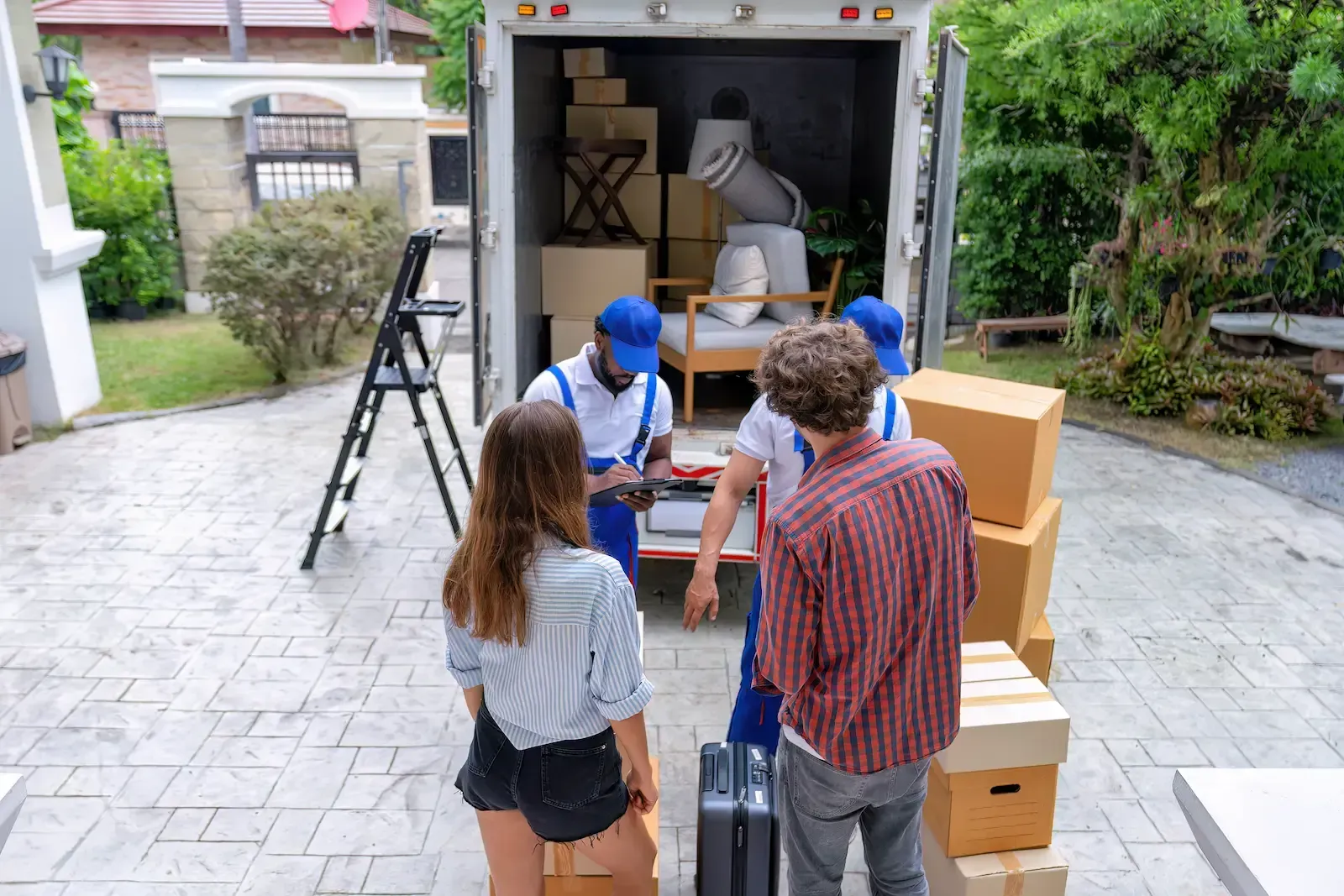
Before diving into the specifics of what military movers do not pack, it helps to understand why these restrictions exist in the first place. The PCS prohibited list is designed to protect you, your belongings, the movers, and everyone else involved in your relocation.
- Safety Concerns: Flammable, explosive, or hazardous materials pose serious risks during transport. Moving trucks aren't climate-controlled, which means they can reach extreme temperatures.
- Legal Requirements: Federal laws prohibit moving companies from transporting dangerous or regulated items, and military moving contractors are subject to additional scrutiny. Companies that violate these regulations can face serious consequences.
- Liability Protection: If something leaks, breaks, or damages other belongings during transport, determining responsibility becomes complicated. By excluding certain items, moving companies reduce the risk of costly damage claims and ensure your possessions arrive safely.
- Logistical Considerations: Some items simply don't transport well over long distances or extended time periods. Perishable foods, live plants, and certain liquids fall into this category—not because they're dangerous, but because they won't survive the journey intact.
Learn more: How Does a Military Move Work? PCS Moving Guide 2026
PCS Prohibited List 2026
Understanding the complete PCS prohibited list helps you plan your move strategically. Here's what you need to know about items that military movers won't pack.
1. Hazardous Materials
These items pose fire, chemical, or pressure risks during transport. If an item is labeled flammable, corrosive, or poisonous, your military movers will likely set it aside.
Common hazardous items include:
- Propane tanks and compressed gas cylinders
- Gasoline, kerosene, and lighter fluid
- Paints, varnishes, and wood stains
- Cleaning agents and disinfectants (especially spray bottles)
- Pool and spa chemicals
- Pesticides, herbicides, and fertilizers
- Aerosol cans (hairspray, deodorant, spray paint)
- Automotive fluids and maintenance materials
- Fire extinguishers and oxygen bottles
- Charcoal and charcoal lighter
- Batteries, including lithium batteries found in some lawn equipment and tools
What to do: Use up these products before your move, give them to neighbors, or dispose of them properly through your local hazardous waste collection program. Think about any items that may contain hazardous materials and dispose of them before moving (e.g., empty the gas out of your lawn mower).
Learn more: How to Plan a Military Move | PCS Moving Checklist
2. Perishable and Consumable Goods
Military movers generally won't transport items that can spoil, attract pests, or create a mess during the journey. This includes most food items and beverages.
Items typically not transported:
- Fresh produce and frozen foods
- Refrigerated items (dairy, meats, eggs)
- Open food packages and partially used spices
- Foods in glass jars (risk of breakage)
- Beverages (juice, water, alcohol in bottles or cartons)
- Wet or unsealed food items
Sealed, non-perishable items like canned goods and boxed foods often transport just fine, especially for shorter moves. Perishable plants may also be transported under strict conditions for short-distance moves. However, it's best to check with your specific moving company beforehand.
What to do: Plan your meals strategically in the weeks before your move to use up perishables. Donate sealed, non-expired items to local food banks. For the items you absolutely want to keep, consider transporting them yourself in coolers.
Learn more: Moving an Aquarium: How to Pack and Move a Fish Tank
3. Personal and High-Value Items
While technically not "prohibited," there are certain items you should keep with you rather than entrusting them to the moving truck. Military movers recommend personally transporting anything that would be difficult or impossible to replace.
Keep these items with you:
- Passports, birth certificates, and Social Security cards
- Financial documents and tax records
- Jewelry and family heirlooms
- Cash and checkbooks
- Prescription medications
- Expensive electronics (laptops, cameras)
- Irreplaceable photos and sentimental items
The reasoning isn't that movers can't pack these items safely—it's that if something gets lost or delayed, you don't want to be without your essential documents or medications for weeks. Your household goods shipment might take 2-3 weeks for cross-country moves, and delays can happen.
What to do: Pack a "PCS essentials" bag or box that stays with you throughout the move. Include important documents, medications, a few days of clothing, and any items you'd be devastated to lose.
Learn more:
- How To Pack Plates and Dishes For Moving, Tips Keep Plates Safe
- How to Move a Grandfather Clock Safely in 10 Simple Steps
4. Firearms and Ammunition
This category often confuses military families, so let's clarify: Military movers may transport certain firearms, but they will never transport ammunition.
For firearms to be moved, they typically must have a serial number, be disarmed, and comply with all applicable federal, state, and local laws.
What military movers won't pack and/or transport:
- Ammunition of any kind
- Reloading supplies (primers, powder)
- Unpermitted or unlicensed firearms
- Any firearm that doesn't have a serial number or doesn't meet state requirements
What to do: If you own firearms, research the laws in both your origin and destination states. Many families choose to transport firearms in their personal vehicles or use specialized shipping services. For ammunition, you'll need to use up what you have, sell it, or transport it yourself in compliance with applicable laws.
5. Vehicles and Fuel-Powered Equipment
While military movers won't transport standard vehicles, they can often accommodate smaller recreational items and equipment, depending on size and regulations.
Items NOT transported in HHG shipment:
- Cars, trucks, vans, and SUVs
- Airplanes
- Some large vehicles
Items that MAY be transported (subject to size and regulation):
- Motorcycles
- Boats, jet skis, and kayaks
- ATVs and pop-up campers
- Utility trailers
- Drones
- Riding lawn mowers
For shorter PCS moves, many families simply drive their vehicles to the new duty station. For longer moves, you can use military-approved vehicle shipping services, though these costs typically aren't covered by your PCS allowance.
Fuel-powered equipment like lawn mowers, chainsaws, and generators can often be moved if all fuel is completely removed beforehand.
Learn more: How to Pack a TV for Moving Safely | TV Shipping Guide
6. Live Animals
Military movers will not transport your pets due to a lack of ventilation and temperature control. Even small animals or aquariums are unsafe for HHG transport.
Not transported:
- Dogs, cats, and other pets
- Fish and aquariums
- Birds
- Reptiles
- Small animals (hamsters, guinea pigs, rabbits)
There have been documented cases of cats accidentally being packed when they were hiding in furniture or boxes—so be vigilant about knowing where your pets are on moving day.
What to do: Plan ahead for pet transportation. For driving moves, your pets travel with you. For flying moves, research pet-friendly airlines or pet transport services.
7. Cordwood and Building Materials
Raw wood, firewood, soil, and certain building materials may contain pests or invasive species. Many states restrict moving untreated wood across borders.
Items typically not transported:
- Firewood and cordwood
- Raw lumber and unfinished wood
- Plants with soil (potential pest/disease vector)
- Items with soil or natural debris
Additionally, assembled structures like swing sets, trampolines, hot tubs, and playhouses must be disassembled before movers will transport them. If you have large items, such as pianos, grandfather clocks, or pool tables, give your movers advance notice so they can prepare accordingly.
Learn more: How to Pack Kitchen Items for Moving | Expert Guide
Military and PCS Move Packing Tips
Now that you know what's on the PCS prohibited list and have a clear understanding of what military movers will not pack, here are practical strategies to make your move as smooth as possible.
- Take inventory early. Walk through your home—including the garage, basement, and storage areas—and identify anything that might be on the restricted list. This gives you time to dispose of, donate, sell, or make alternative arrangements for prohibited items.
- Know your weight allowance. Every PCS move comes with a weight allowance based on rank and dependent status. Exceeding this limit means paying out of pocket for the overage, which can get expensive quickly. Use the inventory process to decide what's worth the weight and what might be better to sell and replace at your new duty station.
- Downsize strategically. Ask yourself: Have I used this in the past year? Will it cost more to move than to replace? Does it hold genuine sentimental value? Donating or selling items you no longer need reduces weight, simplifies your move, and gives you a fresh start at your new location.
- Plan for perishables. In the weeks before your move, stop buying perishable groceries and start eating down your freezer and refrigerator. Donate unopened, non-expired items to food banks. For items you want to keep, plan to transport them yourself in coolers.
- Keep valuables close. Pack a separate bag or box for items you cannot afford to lose—important documents, medications, jewelry, electronics, and anything irreplaceable. This bag stays with you throughout the entire move, never going on the truck.
View more FAQs about Military and PCS Moving Here.
Stewart Moving & Storage: Trusted Partner for Military and PCS Relocations
Stewart Moving & Storage began more than 25 years ago solely as a military moving company, and military families remain the backbone of who we are today. Today, our expert teams help military families relocate across the U.S. and around the world every single day.
Why Military Families Choose Stewart Moving & Storage
- DOD-Approved Storage: Our warehouses are fully DOD-approved for long-term storage—not just SIT—meaning we meet strict military standards for security and quality.
- Direct Work With the DOD: We own our SCAC codes and work directly with the DOD and USTRANSCOM, ensuring higher accountability and consistent service.
- PPM Expertise: From weight tickets to pro gear allowances, we guide you through the paperwork needed for PPM reimbursement. Many base transportation offices recommend us for this reason.
- Military-Focused Discounts: We offer military and veteran discounts, and our COD discount schedule mirrors military rates for fairness and consistency.
- Highly Trained Crews: Our teams understand military rules, regulations, and base access requirements—reducing stress and helping your move go smoothly.
Whether you need full PCS support or long-term storage solutions while stationed overseas,
Stewart Moving & Storage is ready to help with your next military move.
Learn more:
- 7 Essential Cross-Country Moving Tips: Complete Guide
- 10 Packing Tips for a Long-Distance Move from Expert
- Out-of-State Moving Tips: Ultimate Guide
FAQs about the PCS Prohibited List
Do military movers pack for you?
Yes, military movers will pack your belongings as part of a Household Goods (HHG) move, as long as the items aren’t on the PCS prohibited list. Movers go room by room, packing, labeling, and creating an inventory. You can’t assist, which keeps liability with the company. It’s still smart to create your own inventory with photos to document the condition of your items for potential claims.
Will military movers move candles?
Candles are generally on the PCS prohibited list because wax can melt and damage other items. Movers may transport them during cooler months, but summer moves usually require you to transport candles yourself. Your safest option is to pack them in your personal vehicle or give them away before moving day.
Will military movers pack nail polish?
Nail polish and nail polish remover are flammable and typically restricted. Small amounts of nail polish might be packed, but remover is almost always excluded. The same applies to other flammable personal care products. Use them up, give them away, or transport small quantities yourself.
Can you PCS with food?
Movers usually won’t transport perishables like frozen or refrigerated foods, fresh produce, or foods in glass containers. Sealed non-perishables such as boxed, canned, or dried goods often transport fine, especially for shorter moves. Open packages and spices are generally excluded. Eat perishables beforehand, donate what you can’t use, and confirm policies with your moving company for non-perishable items.