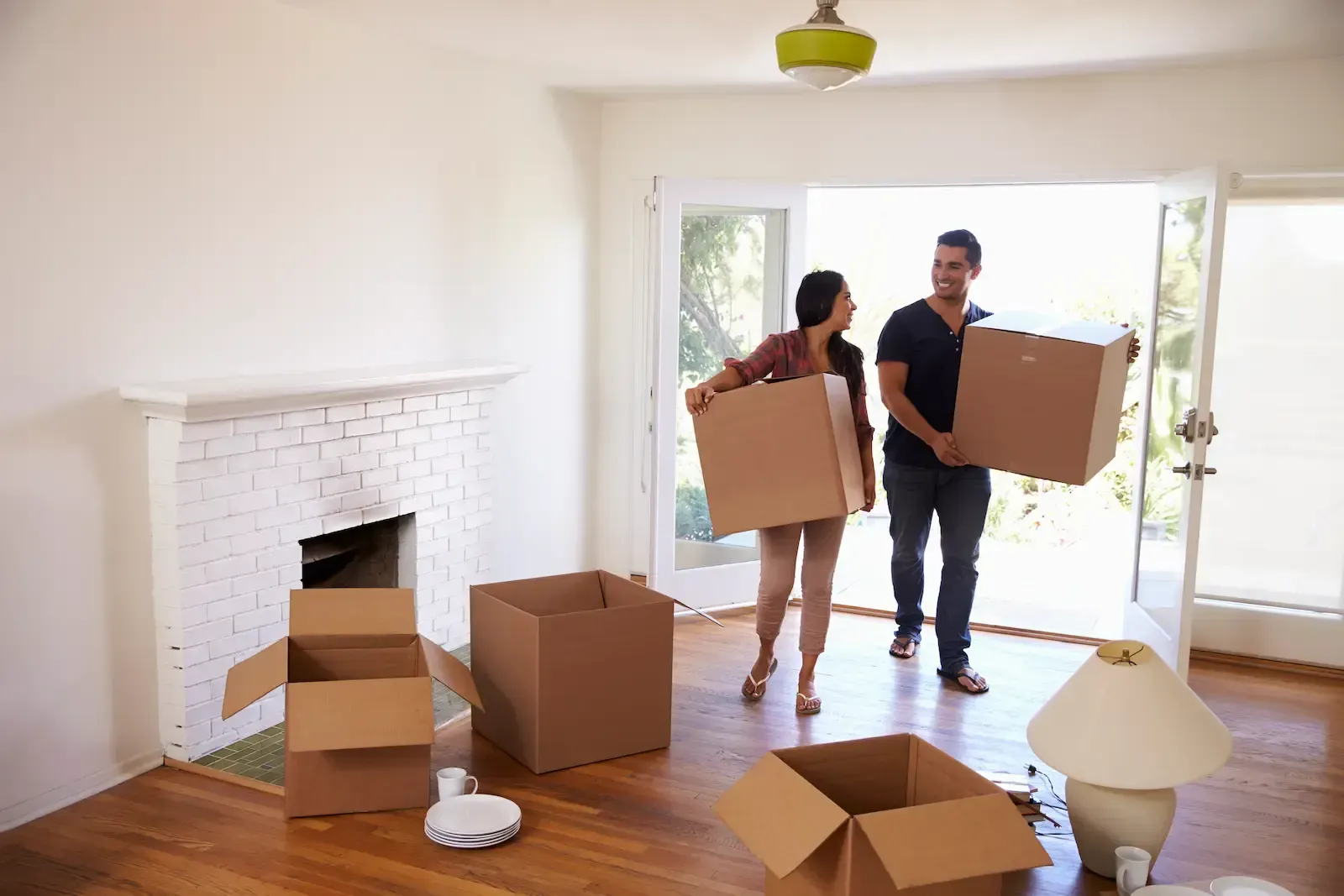
Most people pack the way they clean, grabbing whatever is closest and dealing with it. That holds up until the first morning in the new house, when four opened boxes yield a snorkel, a stack of old tax returns, and no coffee mugs.
Packing for a relocation goes faster — and unpacks cleaner — when you stop treating the house as one giant job and start treating it as a set of rooms with different deadlines. Some spaces can be sealed weeks ahead. Others stay open until the night before the truck arrives.
Start With a Sequence, Not a Box
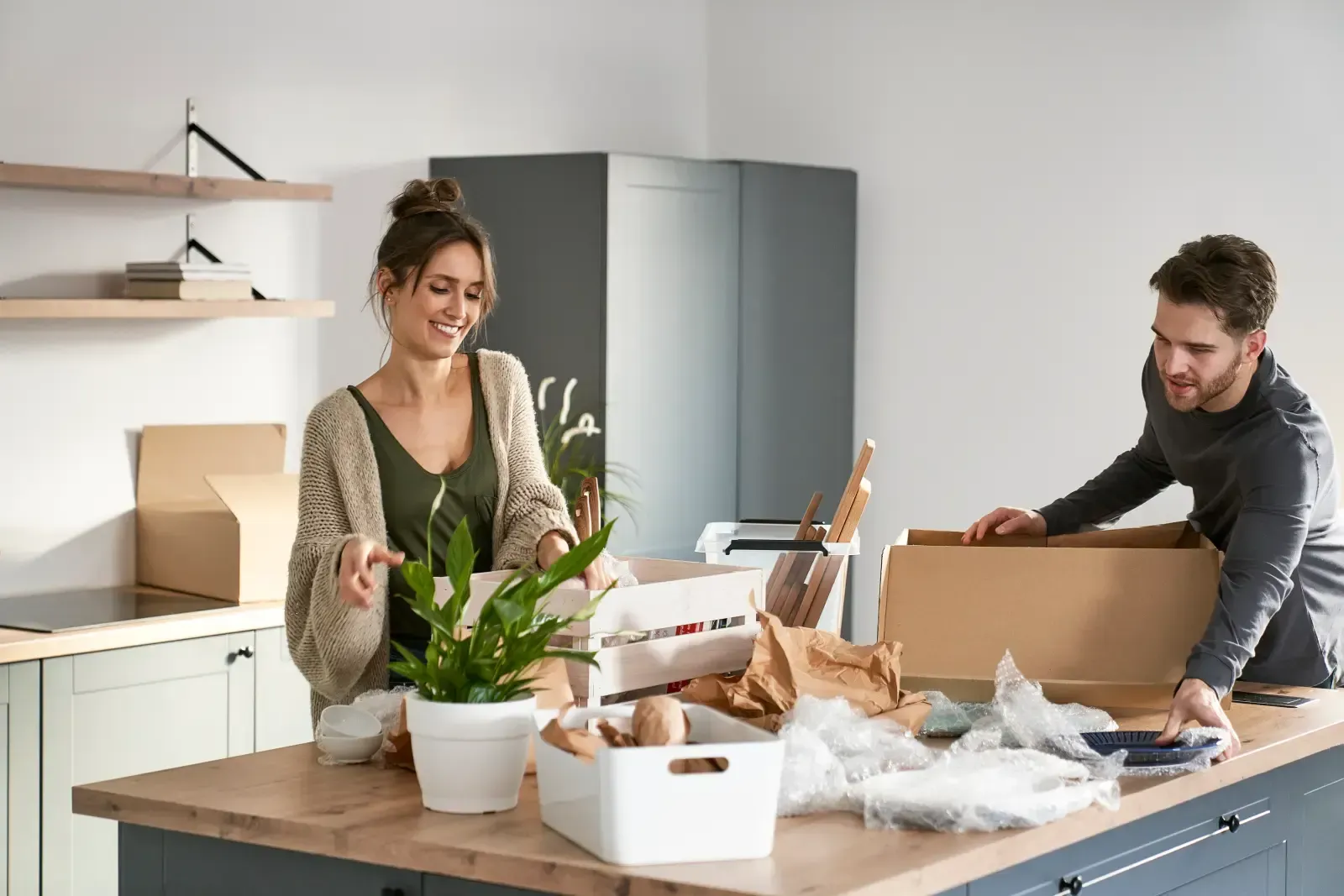
The best tips for packing for a move have less to do with technique than with order. Work from the rooms you barely use toward the ones you use daily. Guest rooms, storage closets, the attic, and the formal dining room can be finished early. The kitchen, primary bathroom, and bedrooms come last since you’re still living in them.
Gather Supplies Before You Touch a Single Shelf
Heavy items go in small boxes, light items in large ones. That single rule prevents most bottom blowouts. You will also want bubble wrap, quality tape, wardrobe boxes, thick markers, and packing paper rather than newspaper, which transfers ink onto dishes. Our guide to packing boxes properly covers picking the right boxes, weight distribution, and sealing in more detail.
Label for the Unpack, Not the Pack
Write the destination room, a short contents list, and a priority number on two sides and the top of every box. Labels on one side only tend to end up facing the wall. Priority numbering matters more than people expect. It tells the crew which boxes to load last and tells you which ones to open first.
The Kitchen
Budget more time here than any other room. It holds the most items, the most fragile ones, and the ones you need until the final day. Start with the half you rarely use: serving platters, holiday dishes, the bread machine, the second set of mixing bowls.
Dishes, Glassware, and Stemware
Plates travel best standing on edge, wrapped individually and packed vertically like records in a crate. Stacked flat, they crack under their own weight. Glasses and stemware belong in cell dividers with paper stuffed inside the bowl of each piece. We break both down further in our guides to packing dishes and packing glasses, and our full kitchen packing walkthrough covers the room end to end.
Pantry, Appliances, and What Won't Travel
Tape appliance cords to their own units so nothing arrives orphaned. Sealed dry goods and canned foods travel fine, though heavy pantry boxes fill up fast, so try to consume everything before your move. Open packages, anything refrigerated, and anything already past date should be used, donated, or tossed. Alcohol can be moved in some situations, so ask your move consultant during the survey rather than assuming either way.
Bedrooms and Closets
Closets look intimidating but usually take less time than expected once you separate hanging items from folded ones.
Hanging Clothes vs. Folded
Wardrobe boxes let hanging clothes stay on their hangers, which saves an entire step on both ends. Folded clothing can stay in dresser drawers on local moves and travels well in suitcases regardless of distance. Our guides to packing clothes and packing shoes cover the sorting details.
What Stays With You
Jewelry, prescriptions, passports, birth certificates, and anything irreplaceable rides in your own vehicle. Movers should never be asked to carry sensitive personal documents or invaluable items.
Living Room and Media
Electronics can create major reassembly headaches, so document before you disconnect.
Electronics and Screens
Photograph the back of the TV, receiver, and console before unplugging anything. Bag each device's cables and tape the bag to the item it belongs to. Screens ride upright, never flat, in a purpose-built carton or their original box. Our TV shipping guide covers protection and positioning.
Art, Mirrors, and Anything Framed
Framed pieces need corner protection and a mirror carton, packed on edge rather than lying down. Large canvases, antiques, marble tops, and anything with real value are better crated than boxed. Flag these during your survey so your move consultant can build crating into the plan instead of improvising on load day.
Bathrooms
A fast room with one real hazard: liquids. Remove caps, cover openings with plastic wrap, replace the caps, then bag bottles in groups before boxing them. Expired medications and half-used products are worth culling now. Set aside one toiletry kit per person to travel with you, since these are the items people miss most on the first night.
Home Office
Keep files in drawer order and box them in that sequence so the cabinet reloads without sorting. Shred what you no longer need rather than paying to move paper. External drives and small electronics need padding on all six sides. Bookshelves fill boxes quickly and get heavy fast, which our guide to packing books addresses directly.
Garage, Attic, and Storage Areas
Items No Mover Can Transport
Federal regulations keep certain things off the truck entirely: gasoline, propane tanks, aerosols, paint, pool chemicals, fireworks, and ammunition. Drain fuel and oil from mowers and trimmers ahead of time. Plants can be moved on local jobs only.
Separating Storage-Bound Boxes
If part of your household is going into storage, pack and label those boxes separately from the ones headed to the new house. Mixing them means opening everything to find anything. Stewart's storage facilities are secure, vaulted, ventilated, and fire- and security-monitored, and our storage preparation tips explain how to prep items for longer holds.
Pack These Last: The Essentials Box
Everyone in the household gets one box or bag holding two days of clothes, toiletries, medications, chargers, and anything they will look for immediately. Add a household box with paper towels, trash bags, basic tools, toilet paper, soap, scissors, and a coffee setup. These load last and come off the truck first.
When It Makes Sense to Hand It Off
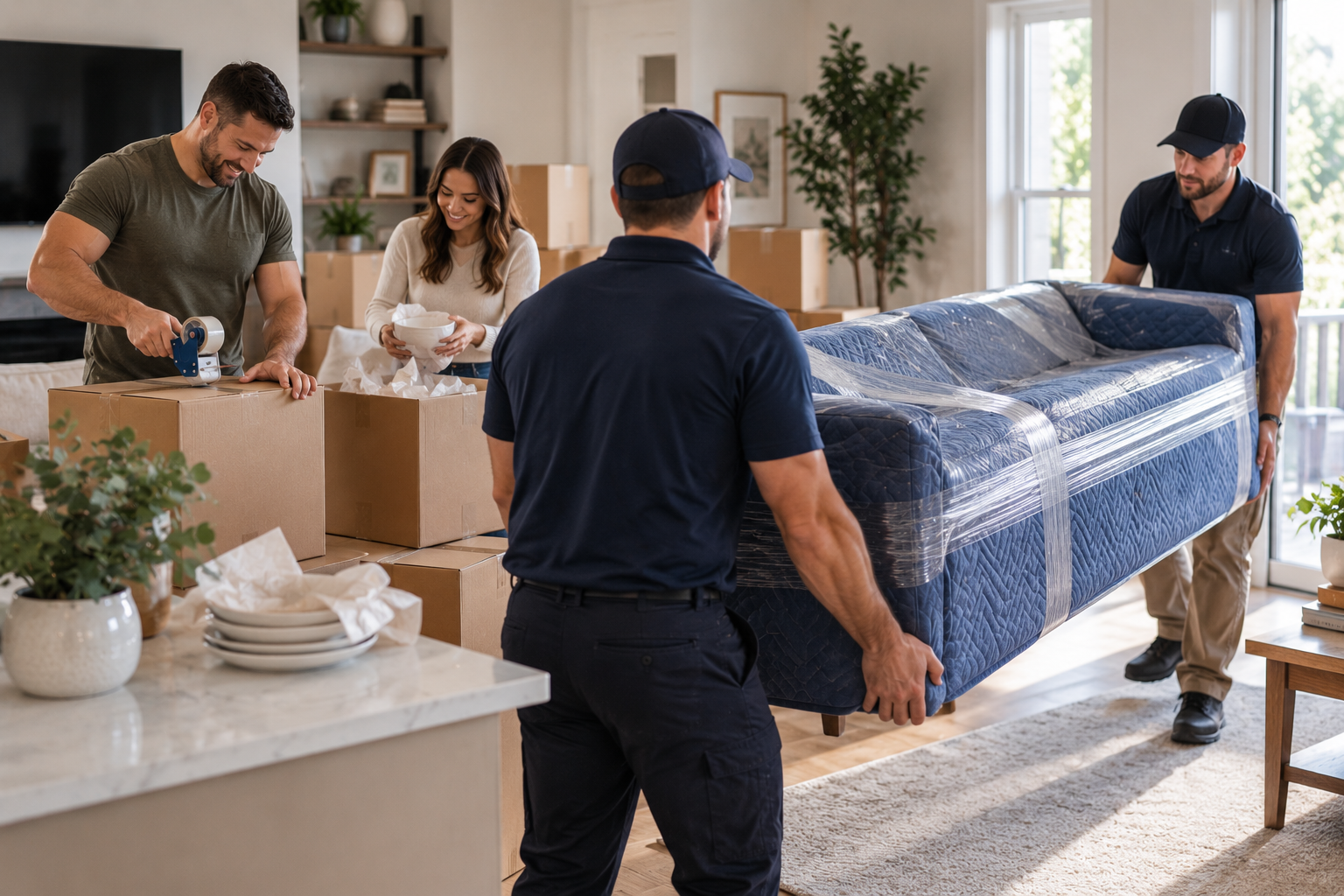
Most tips for packing to move assume you are handling all of it yourself. That is not the only option. Full-service packing covers the entire home, partial packing takes on whichever rooms you would rather skip, and fragile-only service handles the kitchen and artwork while you manage the rest.
If you are weighing how much to take on yourself, a quote is the fastest way to find out what packing help actually costs. Our move consultants will survey what you have, ask what you would rather not touch, and build the packing scope into the quote so there are no surprises on load day.
Get your free estimate now.